

(MALTA TRUST & EU CIVIL-LAW SUCCESSION)
Malta Trust
Within the EU, the Malta Trust stands alone as the only civil-law structure backed by its own dedicated statutory trust law, enacted through the Trusts and Trustees Act, Chapter 331. It pairs full access to the EU market with private trust company governance and, under Article 43B, family trust succession planning. Our team handles professional trustee onboarding, the design of the structure and, if wanted, Malta company or banking support, with pricing quoted on application.
Specialist jurisdiction
Offshore Companies · Malta Trust
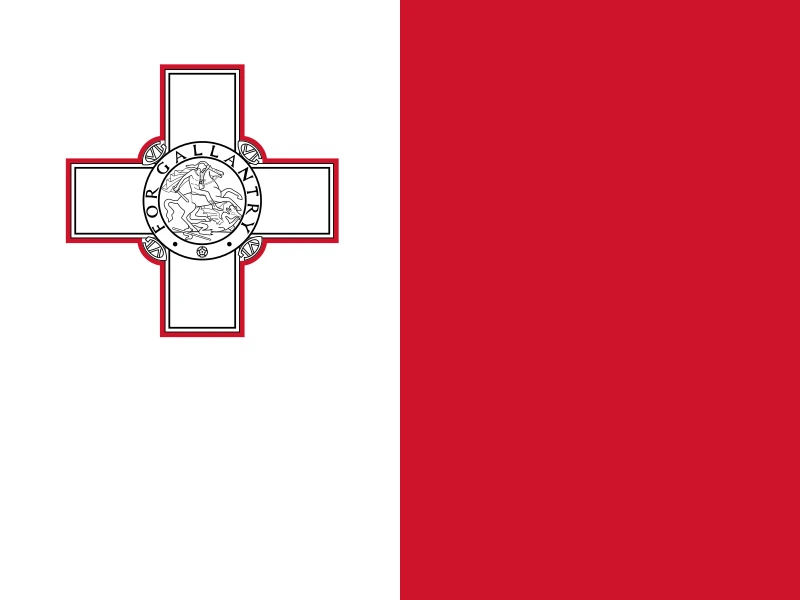
Europe
Malta
Latitude
00.0000° N
Longitude
000.0000° E

(MALTA TRUST & EU CIVIL-LAW OVERVIEW)
A believable trust structure rooted in EU civil law for international wealth planning
The Trusts and Trustees Act, Chapter 331 (2004) is the principal law governing a Malta Trust. What sets Malta apart from other trust jurisdictions is that this civil-law nation chose to bring in the common-law trust and write it directly into its own legal code.With the 2014 amendments that brought in family trusts under Article 43B, alongside Malta’s private trust company framework, a settlor can hold a seat on the board of their own PTC and keep a real hand in governance.For the fastest possible defence against a hostile commercial creditor, Malta is not the jurisdiction Our team recommends first. When that goal comes first, weigh it against the Cook Islands Trust and Nevis Trust.
Governing law
Trusts and Trustees Act, Chapter 331 (2004)
Trustee
The trust is administered by an MFSA-licensed trustee
Structure options
Family trusts (Art 43B) and private trust companies on offer
Primary use
Succession under EU civil law, plus private trust company governance
Duration
As long as 125 years (unlimited for charitable and unit trusts)
Protection focus
Under EU AML rules, MFSA beneficial ownership filing is required
A general summary only. Malta is at its best for succession planning under EU civil law and for private trust company governance. For adversarial commercial-creditor protection or complete privacy it is not Our preferred jurisdiction; how well it suits you turns on the client, the assets, the timing and the law of your home country.
(WHAT IS INCLUDED)
A full Malta Trust formation service
Pick a trust on its own, a trust paired with a company, or a full company-plus-banking package
Because trustee fees, the complexity of the deed, private trust company structuring, any underlying Malta company and the assets involved all shape the scope, pricing is quoted on application.
Malta Trust
On application
Scope confirmed after trustee review
A Malta Trust on its own for EU civil-law succession planning, one that every EU bank, notary and court recognises.
Coordination of MFSA-licensed trustee onboarding and due diligence
A trust deed and formation paperwork that comply with the Trusts and Trustees Act
First-year trustee and administration scope set out in writing
Malta Trust + Company
On application
Scope confirmed after trustee review
A Malta Trust sitting above an underlying Malta company that holds your bank, brokerage and business interests — the usual structure for the majority of EU-facing clients.
Formation of the Malta Trust and Malta company
Private trust company structuring that puts you directly on the board
Trustee, registration and third-party costs broken out in the written quote
Support covering the trust, the Malta company and banking
On application
Scope confirmed after provider review
A coordinated structure that brings together a Malta Trust, a Malta company and, where it makes sense, bank or brokerage account support.
The Malta Trust plus the Malta company beneath it
Bank or brokerage account coordination
A fully itemised quote before you commit to anything
Before formation gets under way, the written proposal and the trustee’s acceptance set out the precise scope, the costs covered, the company documents and the continuing obligations.
(MALTA TRUST GUIDE)
Understanding the Malta Trust structure
A civil-law nation that has a trust statute
A Malta Trust is set up under the Trusts and Trustees Act, Chapter 331 (2004) — genuinely rare: a civil-law jurisdiction possessing its own dedicated trust law.
Full access to the single market and to treaties
Through Malta, a trust structure gains direct entry to the EU single market, EU directive relief and a double tax treaty network covering 70+ countries.
Genuine settlor board participation
The family trust category introduced in 2014 (Article 43B) together with the private trust company framework let a settlor take a board seat and keep a genuine governance role.
MFSA-licensed trustee
The trust is administered by a trustee holding a licence from the Malta Financial Services Authority (MFSA).
MFSA beneficial ownership filing
Being an EU member, Malta obliges beneficial ownership information to be lodged with the MFSA under EU AML directives — a real trade-off on transparency.
Up to 125 years
Malta trusts can last as long as 125 years, easily reaching across several generations, while charitable and unit trusts may run for an unlimited term.
Important: Malta is built for succession under EU civil law, private trust company governance and cross-border recognition, rather than as a stand-in for a purpose-built commercial-creditor structure. Weigh the Cook Islands Trust and Nevis Trust where the main aim is adversarial asset protection. Among the official sources are the Trusts and Trustees Act, Chapter 331.
(WHY CLIENTS CHOOSE OFFSHORE COMPANIES ONLINE)
Malta Trust coordination brought together with a cross-jurisdiction view
Malta Trusts, the Malta companies beneath them and banking support are all coordinated by Our team. We also give an honest comparison of the jurisdiction against purpose-built asset-protection options, so clients draw on Malta for what it genuinely does well: recognition under EU civil law, private trust companies and treaty access.
Jurisdiction fit before formation
Before we recommend a structure, we weigh a Malta Trust against purpose-built asset-protection jurisdictions, so that succession planning under EU civil law is never mistaken for commercial-creditor defence.
Professional trustee coordination
The application, due diligence, deed drafting and trustee process are all coordinated by us together with well-established MFSA-licensed professional service providers.
Pricing confirmed on application
The scope and fees for formation are laid out before any work starts, and trustee charges, third-party costs and ongoing administration are explained as onboarding proceeds.
Company and banking support
When an underlying Malta company, banking, brokerage or a further jurisdiction is called for, we coordinate the broader structure through a single point of contact.
Family trust and PTC design
Family trust structuring, board participation in a private trust company and long-term governance provisions are coordinated by us with the trustee and, where needed, legal specialists.
(WHO MIGHT WANT TO CONSIDER A MALTA TRUST?)
Well matched to EU civil-law succession and private governance
EU-resident families, entrepreneurs after private trust company governance, and international families wanting a structure recognised throughout civil-law Europe may all find a Malta Trust fits. Where commercial-creditor claims are known or expected, weigh the Cook Islands or Nevis before settling on Malta.
Recognition under EU civil law together with private governance
Malta holds the most appeal for EU nationals and residents, and for families wanting a structure that sits comfortably in both the civil-law and common-law worlds.
EU-resident families whose assets and relatives are spread across continental Europe
Entrepreneurs after a private trust company that puts them directly on the board
Clients on Malta's residency programmes who want the trust administered in the very jurisdiction they reside in
Investors who want an EU-regulated jurisdiction that comes with a purpose-built trust statute
Not Our first pick for adversarial creditor claims or complete privacy
Malta delivers real EU civil-law recognition, yet it is not constructed around the criminal-burden barriers of the Cook Islands or Nevis, and its MFSA filing requirement amounts to a genuine transparency trade-off.
No criminal (beyond-reasonable-doubt) burden of proof — Malta operates under civil law
Under EU AML rules, beneficial ownership information has to be lodged with the MFSA
A shallower body of adversarial case law than the Cook Islands' 40-year track record
Suitability for commercial creditors needs to be judged before funding takes place
For a known or expected commercial claim, weigh the Cook Islands Trust and Nevis Trust. When it comes to EU civil-law succession and private trust company governance, Malta is often the better fit.

(OPTIONAL STRUCTURE SUPPORT)
Malta Trust, Company & Banking
You can pair a Malta Trust with an underlying Malta company plus support for a bank or brokerage account. The company shares are owned by the trust, while approved investments, business interests or financial accounts are held by the company, which enjoys the benefit of EU directive relief.
- The Malta trustee application handled end to end
- Trustee, registration and third-party costs broken out in the written quote
- A Malta-compliant trust deed drawn up wherever it is needed
- The structure registered and made ready to take in trustee-approved assets
(INTERNATIONAL TRUST EXPERTISE)
Meet our international trust specialists

John Evans
Forbes Business Council Founder & Chief Executive Officer
Rarotonga, Cook Islands
More than two decades of experience across offshore banking, asset protection, international companies and trusts.
Melanie Tetuaiteroi
Sales Assistant
Rarotonga, Cook Islands
Supports client onboarding, communications, documentation and operational coordination, backed by fiduciary administration experience.
(FORMATION PROCESS)
01
Objectives and jurisdiction-fit review
We go over your goals, the assets you propose, your beneficiaries, and whether your situation points to Malta, the Cook Islands or Nevis as the right jurisdiction.
02
Trustee and structure selection
Working with an MFSA-licensed trustee, we establish whether the right choice is a standalone trust, a family trust, a private trust company or account support.
03
Due diligence plus drafting of the deed and succession terms
As you work through trustee due diligence, the deed, beneficiary arrangements, PTC governance and company documents are being prepared.
04
Formation, funding and administration
After acceptance and execution, approved assets or Malta company shares are transferred over, and the trustee’s continuing administration and recordkeeping gets started.
(MALTA TRUST INSIGHTS)
Malta Trust Insights
Recent Articles
Explore our latest insights, practical guides and updates on international wealth structuring.

Offshore Asset Protection5 min read
When a Cook Islands Trust Will Not Protect Your Assets

Offshore Companies5 min read
Offshore Company Annual Maintenance Requirements

International Banking & Investment4 min read
Bank vs EMI for an Offshore Company

Asset Protection4 min read
When Is It Too Late for Asset Protection?

Offshore Companies4 min read
Best Offshore Company for Consultants and Agencies

Offshore Foundations4 min read
Offshore Foundation vs Offshore Trust

Asset Protection4 min read
LLC vs Trust for Asset Protection

Offshore Asset Protection5 min read
What Assets Can a Cook Islands Trust Own?
(ABOUT MALTA TRUSTS)
What is a Malta Trust?
Set up under the Trusts and Trustees Act, Chapter 331 of the Laws of Malta (2004) and overseen by the Malta Financial Services Authority (MFSA), a Malta Trust is Malta’s own creation. Malta is the sole EU civil-law jurisdiction possessing its own dedicated statutory trust law, permitting trusts to last as long as 125 years and accommodating private trust companies as well as family trusts under Article 43B.
(MALTA TRUST QUESTIONS)
Common questions about Malta Trusts
(CONTACT US)
Speak to a specialist. Let’s build your structure.
Book a confidential, no-obligation consultation with a senior member of our team to discuss your objectives and the services we have available.