

(ANTIGUA AND BARBUDA COMPANY FORMATION)
Antigua and Barbuda Company
An Antigua IBC is created under the International Business Corporations Act. Antigua and Barbuda is a reformed Caribbean IBC domicile where the old blanket exemption no longer holds, so it is the company’s tax residence that really decides the outcome. We coordinate direct, licensed Antigua and Barbuda registered office relationships, formation inside 3 to 7 days, and optional banking or Cook Islands or Nevis Trust pairing, with pricing available on application.
Specialist jurisdiction
Offshore Companies · Antigua and Barbuda Company
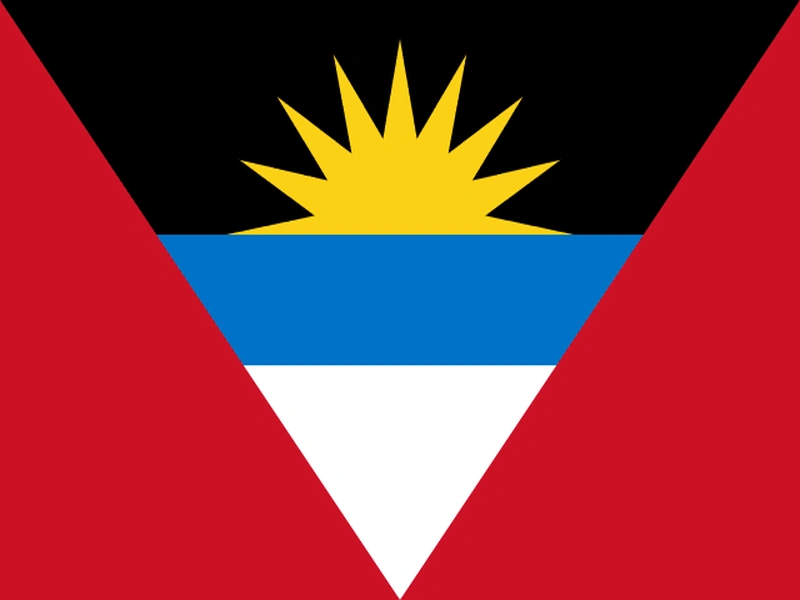
Caribbean
Antigua and Barbuda
Latitude
00.0000° N
Longitude
000.0000° W

(ANTIGUA AND BARBUDA COMPANY OVERVIEW)
An Antigua and Barbuda company structure for Caribbean holding under a reformed framework
An Antigua and Barbuda International Business Corporation is created under the International Business Corporations Act, with a single director and shareholder enough and no public register of directors or shareholders.The tax picture has shifted. IBCs that are tax resident in Antigua, or that keep a permanent establishment there, now pay income tax at the standard 25% rate. Capital gains stay untaxed. The old blanket exemption for IBCs no longer holds.Antigua is a signatory to the OECD Common Reporting Standard and, from 2026, sits under the Eastern Caribbean regional regulatory framework. Where creditor protection is the main objective, compare the Cook Islands Company and Nevis Company.
Governing law
International Business Corporations Act, as amended
Entity type
International Business Corporation (IBC)
Minimum directors/shareholders
One director and one shareholder, who may be the same person
Public register
No public register of directors or shareholders
Formation time
3–7 days from KYC clearance
Primary use
Caribbean holding and trading structures
General summary only. Antigua and Barbuda has reformed its IBC regime; a 25% standard corporate rate applies to tax-resident IBCs and those with a permanent establishment. Confirm the current position before forming.
(WHAT IS INCLUDED)
A complete formation service for Antigua and Barbuda companies
Take a standalone International Business Corporation, a Company with banking, or the complete Total Protection Package
Flat fees covering every government registration charge and the first-year registered office cost — nothing hidden, no invoices you didn’t expect.
Antigua IBC
On application
3–7 days
A standalone Antigua IBC. Antigua and Barbuda is a reformed Caribbean IBC domicile where the old blanket exemption no longer holds, so it is the company's tax residence that really decides the outcome.
Certificate of Incorporation and constitutional documents
Every Antigua and Barbuda government registration fee
First-year Antigua and Barbuda registered office and agent
Apostilled corporate documents
Company + Banking
On application
3–7 days + 4–10 weeks banking
An Antigua IBC bundled with an account at one of our partner institutions — offshore banks, private banks, Swiss banks, and institutional custodians.
Antigua IBC — registered and operational in full
An offshore bank account at whichever partner institution you prefer
All company documents
All government fees plus first-year agent costs
Trust + Company + Banking
$12,000
first-year fees all included · formation timeline coordinated throughout
The full structure. A Cook Islands or Nevis Trust, a Cook Islands or Nevis Company (LLC or IBC), and a bank account — the strongest asset protection line-up we offer, built on our two core jurisdictions.
Cook Islands or Nevis Trust — registered and operational in full
Cook Islands or Nevis Company (LLC or IBC) — registered and operational in full
Every trust and company formation document
All government fees plus first-year trustee and agent costs
An offshore bank account at whichever partner institution you prefer
Each package covers drafted formation documents, apostilled copies, and hands-on coordination with licensed Antigua and Barbuda registered offices and agents.
(ANTIGUA AND BARBUDA COMPANY GUIDE)
Understanding the Antigua IBC structure
How does an Antigua IBC work?
An Antigua IBC is owned by its shareholders, who appoint directors to run its affairs.
The company is created under the International Business Corporations Act and registered through a licensed Antigua and Barbuda registered office or agent. It can hold bank accounts and investments directly, own shares in subsidiaries, and carry on international business.
An Antigua and Barbuda International Business Corporation is created under the International Business Corporations Act, with a single director and shareholder enough and no public register of directors or shareholders.
- Shareholders: own the company and hold its economic and voting rights.
- Directors: run the company's affairs and its banking relationships.
- Registered office: keeps the company's registration and statutory records in Antigua and Barbuda.
- Constitutional documents: set out the share structure, the governance and shareholder rights.
We coordinate the entity formation, the registered office, the due diligence and the banking.
Discuss your structureWho controls an Antigua and Barbuda company?
An Antigua and Barbuda company can usually be arranged so that you keep direct control over its banking and investment decisions.
Most Antigua and Barbuda companies used for holding or investment have the beneficial owner closely involved in governance, so everyday banking, investment and operating calls stay with you.
Add a trust above the company and daily control is unchanged — what changes is who legally holds the shares a creditor would need to reach.
- Director authority: covers routine banking, investment and operational decisions.
- Shareholder rights: cover dividends, voting, and amendments to the governing documents.
- Trustee ownership: where a trust holds the shares, adds a jurisdictional barrier without touching daily management.
- Governance: the International Business Corporations Act allows board and committee structures where something more formal is wanted.
What can be held in an Antigua and Barbuda company?
A company starts working once accepted assets are properly moved in and booked as its property.
Typical uses run to cash and bank deposits, investment portfolios, intellectual property, and shares in operating subsidiaries. We handle the bank or custodian introduction, with each institution reviewing the proposed assets, source of funds and supporting documents.
The tax picture has shifted. IBCs that are tax resident in Antigua, or that keep a permanent establishment there, now pay income tax at the standard 25% rate. Capital gains stay untaxed. The old blanket exemption for IBCs no longer holds.
- Cash and deposits: held through approved offshore or institutional banking arrangements.
- Investment portfolios: held through approved custodian or brokerage arrangements.
- Subsidiary shares: brought together under a single holding layer.
- Caribbean holding and trading structures with no Antigua permanent establishment: the jurisdiction’s most common application.
Why pair an Antigua and Barbuda company with a Cook Islands or Nevis Trust?
Antigua and Barbuda gives you the strengths set out on this page; a Cook Islands or Nevis Trust adds the dedicated creditor-protection statute it lacks.
An Antigua and Barbuda company on its own has no dedicated charging-order or creditor-bond statute of the sort the Cook Islands and Nevis provide. Putting a Cook Islands Trust above the Antigua and Barbuda company shifts the shares a creditor would need to reach to an independent, licensed trustee working wholly outside US jurisdiction.
Daily control does not change: you carry on running the Antigua and Barbuda company's banking and investment activity exactly as before. What changes is what happens under real legal pressure, when the trust deed's anti-duress provisions tell the trustee to refuse any instruction given under compulsion.
- Practical control preserved: daily management carries on exactly as it did before formation.
- Shares relocated: held by an independent trustee rather than by you personally.
- Dedicated statute added: the trust supplies the purpose-built creditor protection Antigua and Barbuda itself lacks.
- Jurisdictional strengths retained: the Antigua and Barbuda entity still does the job you formed it for.
We coordinate Antigua and Barbuda companies with Cook Islands and Nevis Trusts as a single engagement.
See the Cook Islands TrustWhat are the limits of Antigua and Barbuda company protection?
An Antigua and Barbuda company is a structuring vehicle, not a purpose-built creditor-protection statute.
A transfer made once a claim already exists, while the transferor is insolvent, or for a bad-faith purpose can be challenged — there is no criminal burden of proof and no short statutory limitation period of the kind the Cook Islands and Nevis provide.
Antigua takes part in the OECD Common Reporting Standard, and the registered agent runs beneficial-ownership and source-of-funds review. Whether the company is tax resident in Antigua is a facts-and-circumstances question.
- No dedicated creditor statute: protection rests on general common law, not on purpose-built legislation.
- No secrecy from authorities: home-country tax and reporting duties carry on in full whatever the structure.
- No guaranteed outcome: the facts, the timing and the applicable law stay decisive in any dispute.
- Strongest when paired: a Cook Islands or Nevis Trust adds the statutory protection Antigua and Barbuda alone lacks.
When should an Antigua and Barbuda company be set up?
The strongest planning is done while finances are stable and before any particular claim or dispute exists.
Formation usually finishes within 3 to 7 days once KYC is cleared. IBCs that are tax resident in Antigua, or have a permanent establishment there, are taxed at the standard 25% rate. Capital gains stay untaxed.
Opening an offshore bank account generally takes a further four to ten weeks, particularly where the structure calls for extra due diligence.
- Plan before pressure: don't hold off until a transfer turns urgent or disputed.
- Prepare documentation early: certified passport, proof of address and source-of-funds evidence should be current.
- Confirm the tax position: 25% where tax resident — check how that fits with your own residence.
- Consider a trust pairing: if creditor protection, not just the company itself, is a priority.
What tax and reporting obligations apply?
Offshore does not mean unreported. What is owed turns on the shareholders, the assets and the countries involved.
The Antigua and Barbuda registered office or agent and any bank run KYC and beneficial-ownership checks as standard. Antigua takes part in the OECD Common Reporting Standard, and the registered agent runs beneficial-ownership and source-of-funds review. Whether the company is tax resident in Antigua is a facts-and-circumstances question.
US persons typically file Form 5471 each year for the company, along with an FBAR for offshore accounts. These obligations are non-negotiable, and every structure we form is built for full home-country compliance from day one.
- Form 5471: yearly US reporting for foreign corporations.
- FBAR: applies to offshore bank and financial accounts held by the company.
- Substance and residence: where the company is managed and controlled can decide its tax outcome.
- Professional advice: worth obtaining before formation and before any assets are funded.
Who might consider an Antigua and Barbuda company?
Antigua and Barbuda is a reformed Caribbean IBC domicile where the old blanket exemption no longer holds, so it is the company's tax residence that really decides the outcome.
The reform is the thing to grasp. Under the revised law an IBC that is tax resident in Antigua, or that has a permanent establishment there, pays income tax at the standard 25% rate on business income, dividends, interest and royalties. Capital gains are not taxed. Whether a given structure sits inside or outside that net turns on where it is managed and controlled, which makes the residence analysis the central planning question rather than an afterthought.
As a standalone it is a weaker choice where dedicated creditor protection is the main objective — pairing with a Cook Islands or Nevis Trust closes that gap directly.
- Best fit: Caribbean holding and trading structures with no Antigua permanent establishment.
- Also suited to: owners wanting no public register of directors or shareholders.
- And: structures benefiting from Antigua's absence of capital gains tax.
- Clients wanting Total Protection: via an Antigua and Barbuda company paired with a Cook Islands or Nevis Trust.
Before we recommend a structure, we set Antigua and Barbuda honestly against the Cook Islands and Nevis.
Book a consultation(WHY CLIENTS CHOOSE OFFSHORE COMPANIES ONLINE)
Antigua and Barbuda company formation with a cross-jurisdiction perspective
We coordinate Antigua and Barbuda companies and Cook Islands or Nevis Trusts as one engagement. This is not a referral service — we run the whole formation ourselves and pass on the keenest pricing available.
Direct Antigua and Barbuda registered office relationships
Ours are direct, licensed Antigua and Barbuda registered office and agent relationships — no referral middleman — the same team that builds Cook Islands and Nevis structures in 20+ jurisdictions.
First-hand jurisdictional knowledge
Our specialists know the practical realities of Antigua and Barbuda structuring, not generic offshore formation scripts.
Fixed-fee formation
All government fees plus first-year agent costs are built into the price — nothing hidden, no invoices you didn't expect.
Honest jurisdiction guidance
We set Antigua and Barbuda honestly against the Cook Islands and Nevis, so a jurisdiction's strengths are not mistaken for adversarial creditor defence.
Full compliance from day one
Optional legal and tax advisory keeps you in full home-country compliance — every structure is built to be reported correctly, not concealed.
(WHO SHOULD FORM AN ANTIGUA AND BARBUDA COMPANY?)
A natural fit for Caribbean holding under a reformed framework
Antigua and Barbuda is a reformed Caribbean IBC domicile where the old blanket exemption no longer holds, so it is the company’s tax residence that really decides the outcome. For dedicated creditor protection, pair it with a Cook Islands or Nevis Trust.
Caribbean holding under a reformed framework
Antigua and Barbuda is a reformed Caribbean IBC domicile where the old blanket exemption no longer holds, so it is the company's tax residence that really decides the outcome.
Caribbean holding and trading structures with no Antigua permanent establishment
Owners wanting no public register of directors or shareholders
Structures benefiting from Antigua's absence of capital gains tax
Businesses already connected to the Eastern Caribbean region
Tax residence decides the outcome
Antigua and Barbuda has real strengths, but it is not built around dedicated creditor-protection statutes.
25% income tax applies where the IBC is tax resident or has a permanent establishment
The old blanket IBC exemption no longer holds
No dedicated charging-order or creditor-bond statute like the Cook Islands or Nevis
Best paired with a trust where creditor protection is the real priority
For creditor protection specifically, compare the Cook Islands Company and Nevis Company, or the Cook Islands Trust where the exposure is serious. For Caribbean holding under a reformed framework, Antigua and Barbuda is frequently the stronger fit.

(TOTAL PROTECTION PACKAGE)
The Antigua and Barbuda Total Protection Package
A company on paper achieves nothing — the structure only works once it is funded and running. We handle the bank introduction, matching your entity profile to institutions actively onboarding Antigua and Barbuda entities. Opening an account usually takes four to ten weeks.
- Antigua and Barbuda registered agent and incorporation handled from start to finish
- Government, registration and third-party charges itemised in the written quote
- Antigua and Barbuda-compliant constitutional documents and share structure drawn up where needed
- Company registered and ready for banking and asset transfer
(ANTIGUA AND BARBUDA COMPANY EXPERTISE)
Meet our company formation specialists

John Evans
Forbes Business Council Founder & Chief Executive Officer
Rarotonga, Cook Islands
More than two decades of experience across offshore banking, asset protection, international companies and trusts.
Melanie Tetuaiteroi
Sales Assistant
Rarotonga, Cook Islands
Supports client onboarding, communications, documentation and operational coordination, backed by fiduciary administration experience.
(FORMATION PROCESS)
01
Initial consultation
We talk through your objectives, whether an Antigua and Barbuda company or a Cook Islands or Nevis structure best suits you, and where you stand for tax at home.
02
Confirm structure and complete KYC
We settle the structure, confirm the name is free, and hand you a tailored KYC checklist — certified passport, proof of address and source of funds.
03
Draft, sign, and register
We draw up your constitutional documents, file with the Registrar of Companies, and settle all government fees. Formation is done inside 3 to 7 days.
04
Receive documents and open banking
You get the full corporate document pack, ready to open a bank account. We carry the bank introduction through to a live, funded offshore account.
(ANTIGUA AND BARBUDA COMPANY INSIGHTS)
Antigua and Barbuda Company Insights
Recent Articles
Explore our latest insights, practical guides and updates on international wealth structuring.

Offshore Asset Protection5 min read
When a Cook Islands Trust Will Not Protect Your Assets

Offshore Companies5 min read
Offshore Company Annual Maintenance Requirements

International Banking & Investment4 min read
Bank vs EMI for an Offshore Company

Asset Protection4 min read
When Is It Too Late for Asset Protection?

Offshore Companies4 min read
Best Offshore Company for Consultants and Agencies

Offshore Foundations4 min read
Offshore Foundation vs Offshore Trust

Asset Protection4 min read
LLC vs Trust for Asset Protection

Offshore Asset Protection5 min read
What Assets Can a Cook Islands Trust Own?
(ABOUT ANTIGUA AND BARBUDA COMPANYS)
What is an Antigua and Barbuda company?
An Antigua and Barbuda IBC is created under the International Business Corporations Act. One director and one shareholder are enough, neither needs to be resident, and there is no public register of directors or shareholders.
The reform is the thing to grasp. Under the revised law an IBC that is tax resident in Antigua, or that has a permanent establishment there, pays income tax at the standard 25% rate on business income, dividends, interest and royalties. Capital gains are not taxed. Whether a given structure sits inside or outside that net turns on where it is managed and controlled, which makes the residence analysis the central planning question rather than an afterthought.
Antigua takes part in the Common Reporting Standard and, from 2026, sits within the ECCIRA regional regulatory framework. It is not a creditor-protection jurisdiction in the Cook Islands or Nevis sense. It does not carry the charging-order and creditor-bond statutes that make Cook Islands and Nevis companies so effective against live claims, so pairing an Antigua and Barbuda company with a Cook Islands Trust above it is how the two are usually put together.
(ANTIGUA AND BARBUDA COMPANY QUESTIONS)
Common questions about Antigua and Barbuda companies
(CONTACT US)
Speak to a specialist. Let’s build your structure.
Book a confidential, no-obligation consultation with a senior member of our team to discuss your objectives and the services we have available.