
(REFERENCE · NEVIS COMPANY · 7 MIN READ)
Nevis Company vs Belize Company
Nevis and Belize are two lower-cost Caribbean-region jurisdictions that often end up on the same shortlist. They differ most in reputation, in the role asset protection plays, and in how banks currently view each, so the choice turns on use rather than price.

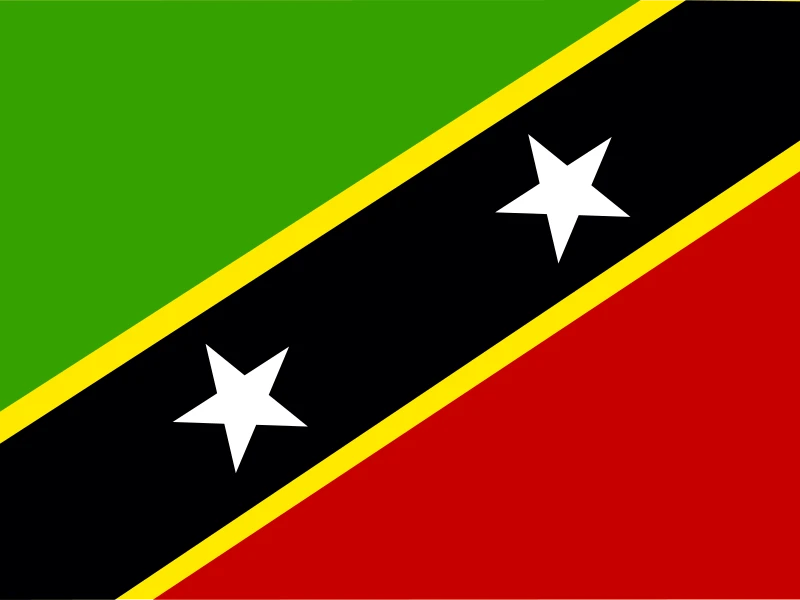
CaribbeanNevis
Nevis strength
Asset protection statutes
LLC and trust regimes built for it
Belize strength
General-purpose company
Commonly used for holding and trading
Shared issue
Banking scrutiny
Both face careful bank due diligence
Check live
EU and FATF status
Listing changes and affects banking
The short answer
Choose Nevis when asset protection is part of the plan, since its LLC and international trust regimes were designed for that purpose. Choose Belize when you want a straightforward general-purpose company for holding or trading and asset protection law is not driving the decision. Neither is better in the abstract, and both are in practice decided by which one your bank will accept.
The two are often compared because both are relatively inexpensive to run, both are used by owners outside the region, and both sit outside the largest financial centres. The differences below matter more than the similarities, and the live listing and banking position matters more than either.
Side-by-side comparison
The table summarises general patterns. Fees, listing status and rules change, so treat it as a list of questions to put to a licensed agent in each jurisdiction.
| Factor | Nevis | Belize |
|---|---|---|
| Reputation | Established asset protection statutes | Long used as a low-cost general company |
| Typical use | Asset holding, often beneath a trust | Holding and trading |
| Company forms | Business corporation and LLC | International company form |
| Asset protection tools | LLC charging order, international exempt trust | Company alone unless a trust is added |
| Running cost | Generally modest | Generally modest |
| Substance rules | Apply to relevant activities | Apply to relevant activities |
| Banking | Careful scrutiny; check current appetite | Careful scrutiny; check listing status |
Company law and forms
Nevis offers two company forms. The business corporation under the Nevis Business Corporation Ordinance 1984 is the conventional share company; the LLC under the Nevis Limited Liability Company Ordinance 1995 is the form tied to asset protection planning. See the Nevis business corporation and the Nevis LLC.
Belize is used mainly through its international company form, a flexible share company aimed at non-resident owners. Our Belize company page covers it in detail. Because we are describing law in general terms, confirm the current rules, any recent amendments and what the company can and cannot do with a licensed agent in Belize before you rely on this comparison.
Asset protection: where they genuinely differ
Neither company protects your assets from your personal creditors on its own. A company limits its own liability; it does not shield you from claims against you. Where Nevis differs is the layer above and around the company: an LLC whose members face a charging order as the creditor's remedy, and an international trust regime, so a trust can hold the LLC.
We do not treat a Belize company as a protection vehicle in itself, so owners wanting protection there would combine the company with a trust from another jurisdiction. That is possible, and a Cook Islands trust is often chosen, but it is a different design. See the Nevis trust and LLC structure and the Cook Islands trust. No structure promises protection.
Reputation, listings and banking
Reputation is where this comparison most often turns. Both jurisdictions are assessed against FATF standards and by other international bodies, and a listing or a change in status can make banking and counterparties harder quickly. Check the current EU and FATF position for each at the moment you decide, not from an old article.
Banks form their own view. Many apply extra due diligence to either jurisdiction, and the practical test is whether a bank you can use will open and keep an account for your activity. Our guide to offshore company bank accounts explains what banks look for. Ask your agent which banks have recently accepted companies from each jurisdiction, and prepare for a longer process than formation suggests.
Substance, reporting and tax
Both jurisdictions apply economic substance rules to defined relevant activities, so whether your company is caught depends on what it does, not on which of the two you choose. A passive holding company is generally in a different position from an active trading or IP business. Read economic substance and confirm the current rules with a licensed agent.
Neither jurisdiction changes your home-country position. Both take part in information exchange under the Common Reporting Standard, and owners resident elsewhere may face controlled foreign company rules and annual returns. For US persons that can include Form 5471, FBAR and FATCA reporting. Do not choose either on the belief that it reduces your reporting.
How to decide
Work through four questions. Is asset protection a goal? If yes, Nevis with a trust above an LLC is the stronger fit. Is the company mainly for ordinary holding or trading? Then compare banking access and annual cost across both, and add other jurisdictions to the shortlist. What does the activity trigger for substance? And what will your home tax authority require?
If the real driver is recognition, consider the BVI company against the Belize company or the Nevis company against the BVI company. Then confirm everything with a licensed agent in the jurisdiction you favour and with a tax adviser at home.
See Nevis company and Belize company for each jurisdiction's own page, and choosing a jurisdiction for the wider decision.
(Review & sourcing)
Written by
Offshore Companies Online
Editorial team
Reviewed by
John Evans
Offshore structuring
Last updated
4 November 2026
General information
Sourced from
Nevis legislation and practitioner guidance
Check that the current particulars hold true with a service provider licensed in Nevis
01Nevis Business Corporation Ordinance 1984 — Nevis company form.
02Nevis Limited Liability Company Ordinance 1995 — Nevis LLC form.
03FATF standards — listing and banking context.
(COMMON QUESTIONS)
Common questions people ask about Nevis and Belize companies
Neither in the abstract. Nevis suits asset protection planning; Belize suits a straightforward holding or trading company. Your bank's acceptance often decides it.
Both are generally modest to run, and the difference depends on agent fees and what you need. Compare the full annual cost in writing rather than the formation fee.
Nevis, through its LLC charging order provisions and international trust regime. A Belize company alone is not a protection tool, so protection there depends on a trust added from elsewhere.
They can, because listing makes banking and counterparties harder. Check the current status of both jurisdictions when you decide and confirm it with a licensed agent.
Neither is easy. Banks scrutinise both, so the answer depends on which banks currently accept each jurisdiction for your activity and how well you document the business.
Both apply rules to relevant activities, so what matters is what your company does. Confirm whether your activity is caught with a licensed agent in each jurisdiction.
Yes, both can, though banks scrutinise trading applications closely. Belize is more commonly used for general trading; Nevis more often sits in a protection structure.
If bank and counterparty recognition matter most, yes. The BVI is generally more widely accepted, though it offers less in asset protection tools than the Nevis LLC and trust.
(MORE ON THE NEVIS COMPANY)
Further reading and source material on the Nevis Company
References
In-depth reference pages on the Nevis Company.
1 min
Nevis Business Corporation
The Nevis Business Corporation: when to use it, how it differs from the LLC, and its role in offshore holding structures.
1 min
Nevis LLC
How the Nevis LLC works: charging order protection, management flexibility, and pairing with a trust above.
1 min
Nevis LLC Charging Order
The charging order is the only remedy for a judgment creditor of a Nevis LLC member. They cannot force distributions or take…
Recent Articles
Commentary and guides covering the Cook Islands and offshore asset protection.

Offshore Asset Protection5 min read
Cook Islands Trust vs Domestic Asset Protection Trust

Offshore Asset Protection5 min read
Cook Islands Trust and LLC Structure: How They Work Together

Digital Assets4 min read
Cook Islands Trust for Cryptocurrency and Digital Assets

Offshore Asset Protection5 min read
Cook Islands Trust for Business Owners

Offshore Asset Protection5 min read
What Assets Can a Cook Islands Trust Own?

Asset Protection4 min read
LLC vs Trust for Asset Protection

Offshore Foundations4 min read
Offshore Foundation vs Offshore Trust

Offshore Asset Protection5 min read
When a Cook Islands Trust Will Not Protect Your Assets
(CONTACT US)
Speak to a specialist. Let’s build your structure.
Book a confidential, no-obligation consultation with a senior member of our team to discuss your objectives and the services we have available.