
(REFERENCE · TRUSTEES · 9 MIN READ)
How Cook Islands trustees are regulated
Capital thresholds, the licensing rules, and the two narrow carve-outs under which an unlicensed entity is permitted to serve as trustee. We look at the concrete demands the Financial Supervisory Commission imposes, and why they become decisive the moment a foreign court gets involved.

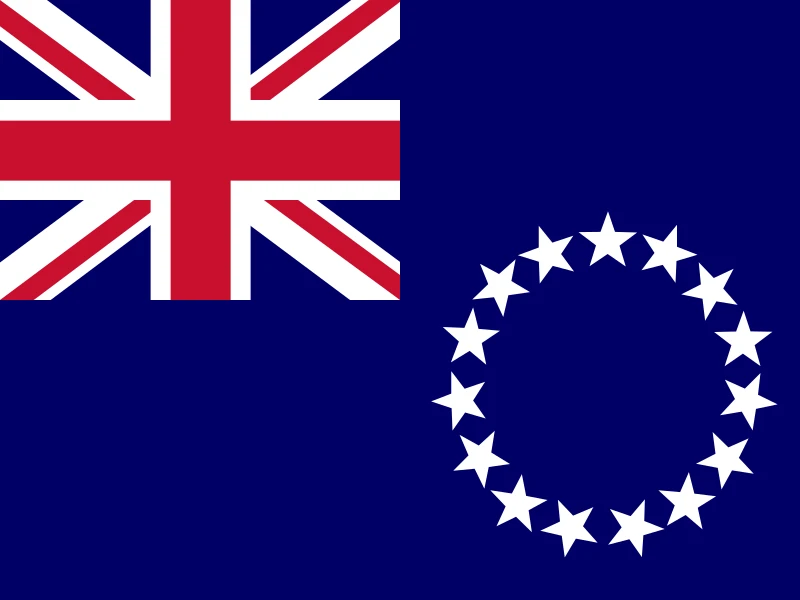
Asia PacificCook Islands
Regulator
FSC
Established 2003
Governing act
TCA 2014
Trustee Companies Act
Capitalisation
NZD 250,000
Minimum, per licensed firm
Exceptions
PTC and MTC
Both narrowly defined
The general rule
Under the Trustee Companies Act 2014, running a trustee company business within the Cook Islands is only lawful with a licence issued by the Financial Supervisory Commission. Doing so without one amounts to a criminal offence. The Commission itself came into being in 2003, taking over from the former Off-shore Financial Services Commission; its responsibilities include licensing trustee companies, keeping the register of international trusts, and running the jurisdiction's Financial Intelligence Unit.
What licensing requires
Before a licence is issued, a trustee company has to demonstrate at least NZD 250,000 of paid-up capital, hold professional indemnity insurance, and have each of its principals pass an individual fit-and-proper assessment by the Commission. Once granted, the licence stays valid until the Commission withdraws it, and that power of revocation is a genuine supervisory lever, not a mere formality.
Compared with the licensing rules of a number of rival jurisdictions, this bar sits noticeably higher. A firm that has committed real capital and an active licence it stands to lose has far more institutional motivation to stand firm when a foreign court leans on it than a thinly regulated competitor does. The regulatory scaffolding behind a trustee's refusal is a genuine part of why that refusal holds up.
Real on-island presence compared with managed trustee status
There is an alternative path, the managed trustee company, under which a firm can carry a full trustee licence without keeping its own physical footprint in the Cook Islands. Instead, its trust company business runs on the infrastructure of a licensed firm that does maintain such a presence. Far from being a way to dodge the rules, this is a legitimate, recognised arrangement. A managed trustee company shoulders exactly the same regulatory and AML duties as every other licensed trustee.
This matters because a Cook Islands trust derives its whole protective force from having a trustee that is truly and provably independent, able to hold firm when genuinely pressured. A managed setup is not weaker by default, yet it remains a structural reality worth understanding, since it bears on who is really making the fiduciary calls once a repatriation demand shows up.
Rather than simply trusting a firm's own account, you can actually verify this. The FSC's own published register logs the status of every firm, and when two listed firms share the same registered address, that is plain evidence of a managed relationship. Put the question to any prospective trustee outright: does the firm run its own staffed office in the Cook Islands, or does it work through the infrastructure of another licensed company?
The private trust company exception
There is a single tight exception to the general licensing requirement, meant for arrangements that operate as private trust companies instead of commercial trustee businesses. Provided it satisfies the qualifying conditions of a private trust company and is not carrying on a commercial trustee business, a Cook Islands international company may serve as trustee for as many as three international trusts without holding a licence itself.
For asset protection in particular, this exception comes with a firm cap. Once litigation is either pending or being threatened, the founder can hold no controlling role over the PTC at all, not as director, not as protector of the trust, and not as a bank signatory on its accounts. At that stage, management has to be provably independent. It is the same rule that runs through every reported contempt case, simply applied to the PTC structure: keeping control undermines the whole exercise no matter which vehicle holds the trusteeship.
Why it counts when a dispute erupts
The moment a repatriation order reaches a Cook Islands trustee, what backs its refusal is a licensed, capitalised and insured entity accountable to a domestic regulator that can strip its licence. That is a fundamentally different footing from an unregulated nominee with nothing on the line. Far from being incidental, the regulatory framework is part of the very machinery that gives a trustee's refusal institutional force, rather than making it a personal choice a court might dismiss as easy to reverse.
How FSC supervision actually plays out
On a recurring basis the FSC carries out on-site inspections of licensed trustee companies, checking that they comply with the Trustee Companies Act and the Money Laundering Prevention Act. During these, examiners go through client files, due diligence procedures, record-keeping, and how the firm handles its AML duties. How often and how deeply a firm is examined depends on the FSC's risk assessment of that firm.
Because it operates under live FSC scrutiny, a trustee has an extra structural incentive to keep its compliance practices up rather than letting them slip. It also follows that a trustee that has recently cleared an FSC examination holds an up-to-date confirmation of its regulatory standing, not one dating back several years. Asking a prospective trustee when their last FSC examination took place, and how it went, is a fair question any well-run firm ought to be able to answer.
CRS, FATCA and automatic exchange
As a participating jurisdiction under the OECD Common Reporting Standard, the Cook Islands has signed information exchange agreements with many countries. Details of financial accounts, including account information, balances and income that Cook Islands financial institutions report, are shared automatically with the tax authorities in the home countries of the account holders concerned. Trust accounts run by Cook Islands trustee companies fall within this too.
This should not be read as a breakdown of confidentiality. It reflects a deliberate decision by the Cook Islands to take part in the global system for exchanging tax information, which is separate from the non-recognition of foreign judgments that underpins the asset protection mechanism. Under Cook Islands law, confidentiality means the trust's terms and its parties are not open to public view. It does not mean the accounts go unreported to tax authorities who are entitled to that data under CRS.
This is general information rather than legal advice. Confirm current licensing status directly with the Cook Islands Finance register instead of taking any provider's own account at face value.
(Review & sourcing)
Written by
Connor Steens
BBus, business development
Reviewed by
John Evans
20+ years, offshore structuring
Last updated
17 August 2026
General information
Sourced from
Primary statute
TCA 2014 & FSC guidance
01Trustee Companies Act 2014 — capitalisation, insurance and fit-and-proper requirements.
02Cook Islands Financial Supervisory Commission — licensing authority since 2003.
03Cook Islands Finance, private trust companies — the PTC carve-out from licensing.
04Cook Islands Finance, managed trustee companies — MTC licensing without a local physical presence.
(COMMON QUESTIONS)
Common questions on how trustees are regulated in the Cook Islands
Yes. Under the International Trusts Act, at minimum one trustee has to be a company holding a licence under the Trustee Companies Act 2014. No self-administered route exists. Acting as a trustee without a licence is a criminal offence. At present roughly ten firms hold a current licence.
Paid-up capital of NZD 250,000, professional indemnity insurance, and an individual fit-and-proper assessment of every principal carried out by the Financial Supervisory Commission. The FSC has the power to revoke a licence, and that revocation is a genuine supervisory tool. Together these requirements give trustees an institutional reason to hold firm under pressure.
It is a licensed Cook Islands trustee company that runs its trust company business on the infrastructure of another licensed firm which keeps its own physical presence on the island. The managed firm still holds a full licence and bears the same obligations. What sets it apart is who supplies the operational infrastructure behind the trustee's activities.
Not inevitably, though it is a structural fact worth knowing, since it bears on who is actually making the fiduciary calls when pressure hits. Ask point-blank whether the firm keeps its own staffed office in Rarotonga. The FSC register notes managed status, and two listed firms sharing a registered address is a visible sign of it.
Set up in 2003 to succeed the former Off-shore Financial Services Commission, the FSC is the body that licenses Cook Islands trustee companies. It keeps the register of international trusts, runs on-site examinations of licensees, and operates the jurisdiction's Financial Intelligence Unit. Among its powers is the revocation of licences.
Yes. The Cook Islands takes part in the OECD Common Reporting Standard and automatically shares financial account information with the tax authorities in the home countries of the relevant account holders. This stands apart from the non-recognition of foreign judgments. Tax confidentiality and confidentiality of the trust's terms are two different things.
A Cook Islands international company may serve as trustee for up to three international trusts without a licence, so long as it qualifies as a private trust company and not a commercial trustee business. Once litigation is pending or being threatened, the founder must hold no controlling position over the private trust company.
The FSC makes its register of licensed trustee companies available at fsc.gov.ck. A direct check takes just a few minutes and verifies current status, whether the firm is managed or independent, and any regulatory actions taken. Trust the register itself rather than a firm's own description of its licensing standing.
(MORE ON THE TRUSTEES)
Further reading and source material concerning the Trustees
References
In-depth reference pages on the Trustees.
1 min
Avenue International (Cook Islands)
A licensed Rarotonga trustee offering pre-structured contribution plans, oriented toward Asian wealth management rather than US lump-sum settlement.
1 min
Changing Your Cook Islands Trustee
A properly drafted deed lets your protector replace the trustee without going to court. How removal and handover actually work.
1 min
Choosing A Cook Islands Trustee
Every licensed firm has cleared the same bar. Seven questions that separate one from another, and what a good answer sounds like.
1 min
Cone Marshall (Cook Islands)
A licensed Cook Islands trustee affiliated with the wider Cone Marshall group, which also advises on international tax and trust law.
1 min
Cook Islands Trust Corporation
Operating since 1988, Cook Islands Trust Corporation is one of the jurisdiction's established asset protection specialist trustees.
1 min
Cook Islands Trustee Fees
Fixed, fixed plus time, or ad valorem. Which model applies matters more than the headline rate. What gets billed and what to…
1 min
Fidentem Pacific (Cook Islands)
A licensed Cook Islands trustee offering trust and corporate administration. Public detail is limited, and this page confirms only what can be…
1 min
How Cook Islands Trustees Are Regulated
Licensing, capitalisation and supervision under the Trustee Companies Act 2014, plus the two narrow exceptions that permit an unlicensed trustee.
Recent Articles
Commentary and guides covering the Cook Islands and offshore asset protection.

Offshore Asset Protection5 min read
Cook Islands Trust vs Domestic Asset Protection Trust

Offshore Asset Protection5 min read
Cook Islands Trust and LLC Structure: How They Work Together

Digital Assets4 min read
Cook Islands Trust for Cryptocurrency and Digital Assets

Offshore Asset Protection5 min read
Cook Islands Trust for Business Owners

Offshore Asset Protection5 min read
What Assets Can a Cook Islands Trust Own?

Asset Protection4 min read
LLC vs Trust for Asset Protection

Offshore Foundations4 min read
Offshore Foundation vs Offshore Trust

Offshore Asset Protection5 min read
When a Cook Islands Trust Will Not Protect Your Assets
(CONTACT US)
Speak to a specialist. Let’s build your structure.
Book a confidential, no-obligation consultation with a senior member of our team to discuss your objectives and the services we have available.