
(REFERENCE · BVI COMPANY · 7 MIN READ)
BVI Holding Company
A BVI holding company is a business company whose main job is to own other things: shares in subsidiaries, investments, property interests or a stake in a joint venture. This page explains how it works, what to check on tax, treaties and substance, and its limits.

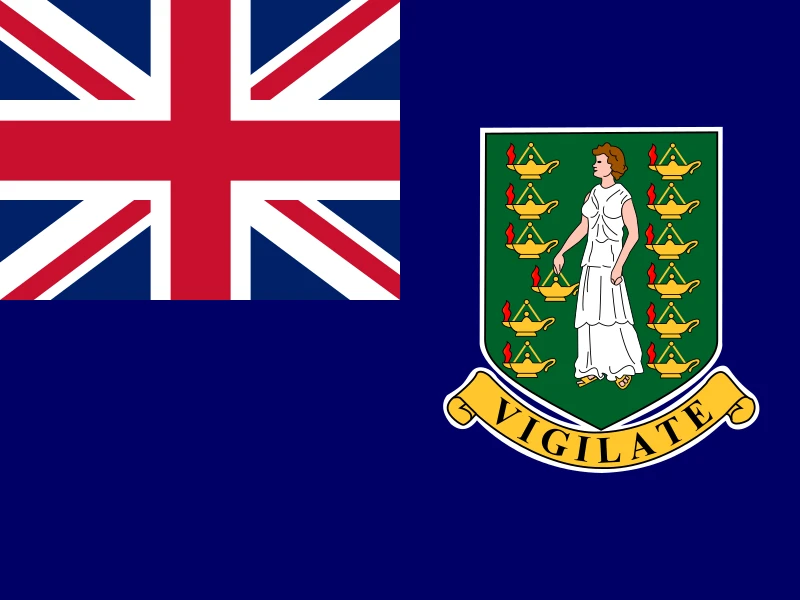
CaribbeanBritish Virgin Islands
Statute
BVI Business Companies Act, 2004
Flexible share and director rules
Typical role
Owns shares or investments
Rarely trades itself
Check first
Owners' home-country tax
Often the deciding question
Limit
Few tax treaties
Treaty relief may need another base
What a BVI holding company is
A BVI holding company is an ordinary BVI business company used for ownership rather than trading. It holds assets in its own name, such as shares in subsidiaries, a securities portfolio, property interests or a joint venture stake, and the owners hold the company. People choose the BVI for this role because the company is quick to form, flexible to run, and understood by banks and lawyers around the world.
The company law is the BVI Business Companies Act, 2004, which leaves wide room on share classes, directors and purpose. The full formation service is on the BVI company page; this page covers the holding use. For the model that applies across jurisdictions, see the offshore holding company.
What it is used for
- Owning an operating group. A parent entity sits above subsidiaries in several countries, so one ownership line runs through the whole group.
- Joint ventures and special-purpose vehicles. A neutral jurisdiction suits partners from different countries who do not want to adopt one party's home law.
- Investment portfolios. Securities and funds can be held in a company rather than in personal names, which can simplify administration and succession.
- A cleaner exit. Selling the shares of the holding company can be simpler than transferring assets one at a time.
- Intellectual property. Some owners hold rights centrally. See BVI company for IP holding.
Holding real estate through a BVI company is a further use; see BVI company for real estate.
How it works in practice
The company issues shares to its owners and appoints at least one director. A BVI registered agent maintains the registered office and the statutory records. The company then holds its assets in its own name, and decisions about them are taken by its directors under the company's constitutional documents.
- Choose the owners and the share structure. See BVI shares and share capital.
- Appoint directors. See BVI company directors.
- Incorporate through the registered agent after due diligence.
- Transfer or acquire the assets in the company's name, with proper documentation.
- Keep records and meet annual duties.
Moving existing assets in can trigger tax or legal consequences in the country where they sit, so plan that step with an adviser.
Tax and treaties: the deciding checks
Your own tax position. Many countries tax the profits of a foreign company their residents control, whether or not profit is paid out. This is usually the deciding question and depends on where each owner lives. A US owner, for example, may face controlled foreign corporation rules, Subpart F and GILTI, along with Form 5471. See BVI company Form 5471.
Treaties. The BVI has few double-tax treaties. If you need treaty relief on dividends or interest flowing up from a subsidiary, a different jurisdiction may fit better. See BVI company vs Cayman company and BVI company vs Singapore company. Do not assume a BVI company gives you any tax advantage; that outcome belongs to your home country's rules.
Substance, reporting and banking
Substance. The BVI has economic substance rules under the Economic Substance (Companies and Limited Partnerships) Act, 2018. A company that only holds equity in other companies is generally treated more lightly than one carrying on other relevant activities, but it still has obligations. Confirm the current position with your registered agent. See economic substance requirements explained and BVI economic substance requirements.
Banking. A holding company still needs a bank or custody relationship, and the bank will want to understand the group above and below it. See BVI company bank account.
Ownership records. The company must record its beneficial owners; see BVI beneficial ownership.
Holding company and trust together
Owners who want another layer sometimes place the shares of the holding company in a trust, so the trustee, not the individual, holds the company. This adds separation and helps succession, at the cost of extra complexity, extra diligence and extra running cost. See BVI company with a trust and the BVI trust.
The BVI also has a regime called VISTA that lets a trust hold shares in a company without the trustee being drawn into managing it, which suits a family business. Take specialist advice before using it. A BVI holding company is not a creditor-protection tool on its own; if that is a goal, look at the Cook Islands trust.
Limits and when to look elsewhere
A BVI holding company is a poor fit where you need treaty access, a substantial operating presence, or a regulated fund structure. It also adds a layer of cost and reporting that only makes sense if the group, the investments or the succession plan justify it. A single small investment rarely does.
Compare the alternatives before you commit, starting with BVI company pros and cons and the Nevis holding company and Cook Islands holding company. Rules change and depend on the owners' residence, so confirm your position with your registered agent and an adviser before you transfer assets.
Keep a written note of why the company exists, since banks and advisers will ask.
See BVI company cost for what holding structures cost to keep running.
(Review & sourcing)
Written by
Offshore Companies Online
Editorial team
Reviewed by
John Evans
Offshore structuring
Last updated
4 November 2026
General information
Sourced from
BVI legislation and practitioner guidance
Check that the current particulars hold true with a licensed BVI registered agent
01BVI Business Companies Act, 2004 — company law.
02Economic Substance (Companies and Limited Partnerships) Act, 2018 — substance regime.
(COMMON QUESTIONS)
Common questions people ask about the BVI holding company
A BVI business company whose main purpose is to own assets such as shares in subsidiaries, investments, property interests or a joint venture stake, rather than to trade.
Shares in other companies, investment portfolios, property interests and rights such as intellectual property, subject to the company's constitutional documents and the law where the assets sit.
Do not assume so. Many countries tax the profits of foreign companies their residents control, so the outcome depends on where the owners live. Take advice for your country.
Very few. If you need treaty relief on dividends or interest from a subsidiary, a different jurisdiction may be better suited.
A pure equity holding company is treated more lightly than companies with other relevant activities, but it still has obligations. Confirm the current position with your registered agent.
Yes, but banks will want to understand the whole group and the source of funds, and may decline. Prepare a clear file. See the BVI bank account page.
Yes. Placing its shares in a trust adds separation and helps succession but increases complexity and cost. The BVI also has the VISTA regime for certain trust-held company shares.
Not on its own. For creditor protection, look at Cook Islands or Nevis structures, usually combined with a trust, and plan before any claim arises.
(MORE ON THE BVI COMPANY)
Further reading and source material on the BVI Company
References
In-depth reference pages on the BVI Company.
1 min
BVI Company Banking
1 min
BVI Company Compliance
1 min
BVI Company Cost
1 min
BVI Company Requirements
1 min
BVI Company Tax
Recent Articles
Commentary and guides covering BVI companies and offshore structuring.

Jurisdiction Guides7 min read
Offshore Company Redomiciliation: Moving a Company Between Jurisdictions

Offshore Companies6 min read
Offshore Trading Companies: Structure, Invoicing and Where to Form One

Offshore Companies6 min read
Closing an Offshore Company: Dissolution, Strike-Off and Winding Up

Offshore Companies6 min read
Who Controls an Offshore Company: Directors, Shareholders and the Registered Agent

Jurisdiction Guides6 min read
Best Offshore Company Jurisdictions in 2026: How to Choose

Jurisdiction Guides5 min read
Offshore Holding Company: How It Works and Where to Form One

Offshore Companies4 min read
Best Offshore Company for E-Commerce Businesses

Jurisdiction Guides5 min read
Offshore Company Costs: What You Pay to Set Up and Maintain One
(CONTACT US)
Speak to a specialist. Let’s build your structure.
Book a confidential, no-obligation consultation with a senior member of our team to discuss your objectives and the services we have available.