
(REFERENCE · BVI SETUP · 7 MIN READ)
BVI Company Shares
Ownership of a BVI company is divided into shares, and there is no minimum capital to meet. This page explains authorised shares, par value, classes, who can hold shares, how they are recorded and how transfers work, so you can set up a structure that still fits in later years.

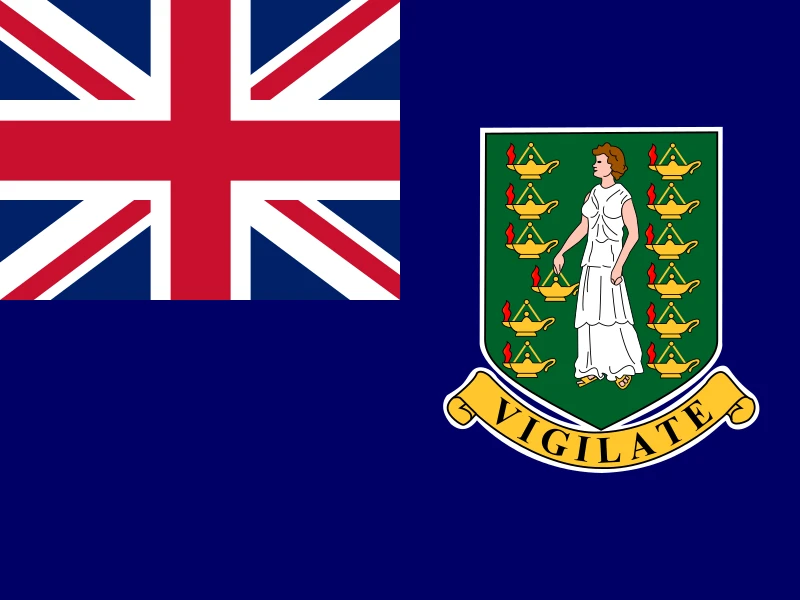
CaribbeanBritish Virgin Islands
Statute
BVI Business Companies Act, 2004
Governs shares, classes and the register
Minimum capital
None required
One share and one shareholder can be enough
Share types
Par or no par, one or more classes
Set out in the memorandum and articles
Watch for
Owners are still disclosed
Beneficial owners are recorded with the agent
What shares do
Shares divide ownership of a BVI company. Most are companies limited by shares, so each shareholder's risk is limited to what they have agreed to pay for their shares. Shares typically carry rights to vote, to receive dividends and to a share of surplus assets if the company is wound up, though the constitution can split those rights between classes.
How you structure shares at the start affects control, investment and exit later, so it is worth thinking through. They are one of three early choices, with directors and the registered agent, covered under setting up a BVI company.
Authorised shares and par value
The memorandum sets the maximum number and type of shares the company may issue, called the authorised shares. The company can issue fewer than the maximum and can change the authorisation later with the right approvals and filings.
Shares can be issued with a par (nominal) value or without one. In practice many owners keep the structure simple: a modest authorised number, issued in one class. A larger authorisation gives room to bring in investors later without amending the constitution, but there is rarely any benefit in complexity for its own sake. Your registered agent will usually offer standard wording that suits a typical single-owner company, and can adapt it for more complicated arrangements.
No minimum capital
The BVI does not require a minimum amount of share capital. A company can be formed with one share held by one shareholder, and the shareholder is not obliged to pay in a particular sum. Share capital here is not a regulatory test of the company's size.
What matters more is whether the capital structure fits the purpose. A bank or counterparty may expect to see capital or funding that matches the planned activity, and a company that will receive investment may need enough authorised shares to issue. Keep records of what was paid for shares and how the company is funded; those facts matter when a bank reviews the company. See BVI company bank accounts for how banks look at structure.
Classes and rights
A company can have more than one class of shares, with different rights attached. Common uses include:
- Voting and non-voting shares, so owners can share economic benefit without sharing control.
- Different dividend or capital rights, for family or joint-venture arrangements.
- Redeemable shares, where the company can buy shares back on terms in the constitution.
Classes help in family structures, joint ventures and investor deals. They also make the constitutional documents longer and the register more complex, so keep them as simple as the situation allows and draft the rights clearly. Ambiguity in share rights is a common source of later disputes.
Who holds the shares and what is recorded
Shares are issued in the names of the shareholders and entered in the register of members, which the company must keep. A shareholder can be an individual or another company, which is how holding structures work; see BVI holding company. A trustee can also be the shareholder, as described on BVI company with a trust.
Bearer shares are no longer available for new BVI companies, so every holder is a named person. Whoever ultimately owns or controls the shares must be disclosed to the registered agent, even where a company or nominee holds them on the surface. That information is not on the public register, but it is available to the BVI authorities; see BVI beneficial ownership.
Issuing, transferring and selling shares
New shares are issued by the directors within the authorised limit, for consideration the board considers adequate, and recorded in the register. Existing shares are transferred in line with the company's constitution and a written instrument, followed by an update to the register and notice to the registered agent.
Because shares in a BVI company can change hands without selling the assets inside, they are a common way to pass on or sell a business or investment. That is a benefit, but it is also a reason for lenders, banks and tax authorities to look closely at who holds the shares. A change of ownership can trigger fresh due diligence, tax consequences where you live and, in some structures, a review of whether the economic substance position has changed.
Practical advice
Decide the shareholders before incorporation, and write down who is putting in money and who will control decisions. Keep a copy of the register, share certificates and any shareholder agreement with your corporate records. If a trust, nominee or second owner may enter later, say so to your adviser now, because it is easier to build the share structure for that outcome than to alter it later.
Remember that shares are also how personal creditors and, on death, heirs reach the company. The company by itself is not a creditor-protection tool; where that is the aim, see Cook Islands trusts and the Nevis and Cook Islands structures.
See setting up a BVI company for the other setup decisions and BVI beneficial ownership for how owners are recorded.
(Review & sourcing)
Written by
Offshore Companies Online
Editorial team
Reviewed by
John Evans
Offshore structuring
Last updated
4 November 2026
General information
Sourced from
BVI legislation and practitioner guidance
Check that the current particulars hold true with a licensed BVI registered agent
01BVI Business Companies Act, 2004 — company law.
02Beneficial Ownership Secure Search System (BOSS) Act, 2017 — ownership records.
(COMMON QUESTIONS)
Common questions people ask about BVI company shares
No. The BVI does not set a minimum, and a company can be formed with a single share held by one shareholder.
The maximum number and type of shares a company is allowed to issue under its memorandum. The company may issue fewer and can change the authorisation later with the right approvals.
No. A company can issue shares with a par value or without one, depending on how its constitutional documents are drafted.
Yes. Classes can carry different voting, dividend or capital rights, which is useful for family structures, joint ventures and investors.
Not for new BVI companies. Shares are issued to named holders and recorded in the register of members.
The register of members is kept by the company, and beneficial ownership information is held by the registered agent rather than on a public register. It is available to the authorities.
Yes. A shareholder can be an individual, another company or a trustee, though the ultimate owners must still be disclosed to the registered agent.
Under the company's constitution, by a written transfer, an update to the register of members and notice to the registered agent. Sale of shares may also have tax consequences where you live.
(MORE ON THE BVI COMPANY)
Further reading and source material on the BVI Company
References
In-depth reference pages on the BVI Company.
1 min
BVI Company Banking
1 min
BVI Company Compliance
1 min
BVI Company Cost
1 min
BVI Company Requirements
1 min
BVI Company Tax
Recent Articles
Commentary and guides covering BVI companies and offshore structuring.

Jurisdiction Guides7 min read
Offshore Company Redomiciliation: Moving a Company Between Jurisdictions

Offshore Companies6 min read
Offshore Trading Companies: Structure, Invoicing and Where to Form One

Offshore Companies6 min read
Closing an Offshore Company: Dissolution, Strike-Off and Winding Up

Offshore Companies6 min read
Who Controls an Offshore Company: Directors, Shareholders and the Registered Agent

Jurisdiction Guides6 min read
Best Offshore Company Jurisdictions in 2026: How to Choose

Jurisdiction Guides5 min read
Offshore Holding Company: How It Works and Where to Form One

Offshore Companies4 min read
Best Offshore Company for E-Commerce Businesses

Jurisdiction Guides5 min read
Offshore Company Costs: What You Pay to Set Up and Maintain One
(CONTACT US)
Speak to a specialist. Let’s build your structure.
Book a confidential, no-obligation consultation with a senior member of our team to discuss your objectives and the services we have available.