
(REFERENCE · BVI BANKING · 6 MIN READ)
BVI Company EMI Account
An electronic money institution can give a BVI company a payment account when a bank account is hard to get. This page explains what an EMI offers, how it differs from a bank, whether providers accept BVI companies and where the limits sit.

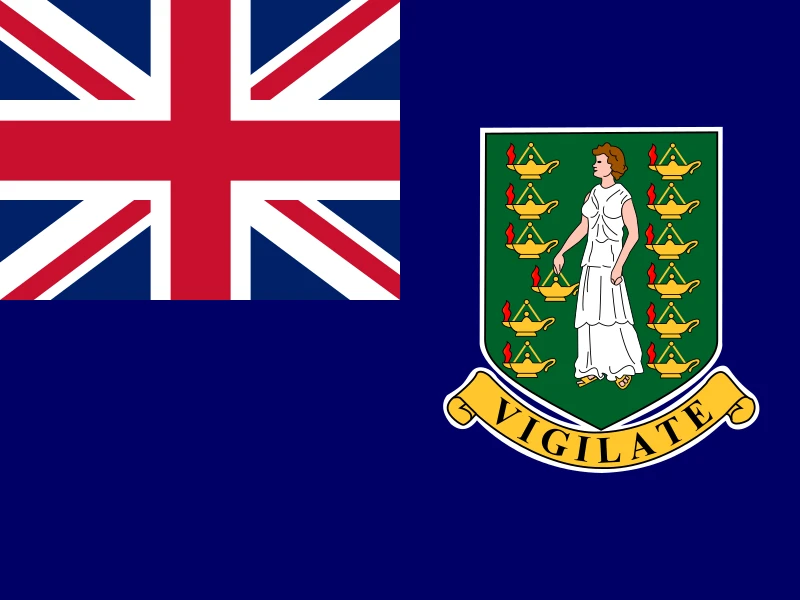
CaribbeanBritish Virgin Islands
What it is
Regulated e-money issuer
A payment provider, not a bank
Funds held
Safeguarded accounts
Usually not covered by deposit protection; check the provider
Acceptance
Set by each provider
Jurisdiction and business rules change over time
Best used
Alongside a bank account
Good for payments, weaker for lending and custody
What an EMI account is
An electronic money institution (EMI) is a regulated firm that issues electronic money and runs payment accounts for its customers. It is not a bank. It does not lend your deposits out, and it generally cannot offer the full range of banking services. For a BVI company the useful question is narrow: can an EMI do the job you need, and where can it not?
Owners look at EMIs because banks are cautious about offshore-registered companies and a bank application can be slow or can fail. An EMI account is often easier to start, but it solves a different problem. It moves money. It does not replace a banking relationship for everything a business might need. For the bank route, see BVI company bank account.
What an EMI account offers
Features vary by provider, but a business payment account commonly includes the following.
- Receiving and sending payments in several currencies from one login.
- Local account details in certain markets, so customers can pay as if you were local.
- Cards, online payment tools and integration with common accounting software, which can save bookkeeping time.
- A digital application and day-to-day management with no branch visit.
These strengths suit a business whose needs are mostly collecting from customers and paying suppliers. They are weaker if you need credit, large cash handling, custody of assets or an established banking reference to satisfy a third party.
How it differs from a bank
| Factor | EMI account | Bank account |
|---|---|---|
| Regulation | Licensed to issue e-money and provide payments | Licensed to take deposits and lend |
| Customer funds | Held in safeguarded accounts, usually without deposit protection | Deposit protection may apply, depending on the country |
| Services | Payments, cards, currency balances | Lending, wide foreign exchange, custody, references |
| Acceptance | Some counterparties and processors treat it differently | Generally accepted |
Check what protection applies to the specific provider you use, because the answer depends on where it is licensed and how it holds client money. Also look at how easily you can withdraw funds to a bank account in your own name, and whether the provider supports the currencies your customers use.
Do EMIs accept BVI companies?
Some do and some do not. Each provider sets its own rules on which jurisdictions, business types and ownership structures it will serve, and those rules change, sometimes quickly. A provider that welcomes a BVI company today may restrict it later, so confirm the current position with the provider before you build a business around it.
Expect the same due diligence a bank would apply: who owns and controls the company, what it does, where the money comes from and which countries it will transact with. Providers are often stricter on sectors such as crypto, gambling and anything resembling money transmission. The paperwork is the same file, so use the documents banks and EMIs ask for as your checklist.
When an EMI account makes sense
- As a first account while a bank application is still in progress, so the company can start collecting payments without waiting.
- For simple payment flows, such as an online business receiving from customers in several currencies and paying a few suppliers.
- Alongside a bank account, to spread operational risk so that one closure does not stop trading.
- For testing a market before committing to a full banking relationship in it.
It makes less sense where you need a lending facility, where a customer or regulator insists on a bank account, or where large balances will sit for long periods and deposit protection matters to you.
Choosing a provider
Do not choose on the sign-up page alone. Before you commit, read the provider's published terms and ask a few direct questions.
- Does it currently serve companies registered in the BVI, and for the sector you operate in?
- How does it hold client money, and which regulator licenses it?
- What are the rules on prohibited activities, and how does it handle account reviews?
- How are fees structured, and what drives them, such as currency conversion and card use?
Fees vary widely and change, so compare current terms rather than relying on anything quoted elsewhere, including here. Keep the answers on file so you can show a bank later how you manage payment risk.
Limits and risks to know
Providers can freeze or close accounts that trigger their monitoring, and they may give limited explanation. Keep records that show the source and purpose of incoming payments, and do not rely on a single provider for all of your flows.
An EMI account does not change how the company is treated for tax or reporting. Owners in other countries may still have to report an account held by a company they control; US persons should read BVI company FBAR and FATCA. Banks and payment providers may also ask about economic activity; see economic substance.
Our article on bank vs EMI for an offshore company sets out the comparison further. Back to the BVI company guide.
See BVI company bank account for the bank route and BVI company bank account documents for the checklist.
(Review & sourcing)
Written by
Offshore Companies Online
Editorial team
Reviewed by
John Evans
Offshore structuring
Last updated
4 November 2026
General information
Sourced from
BVI legislation and practitioner guidance
Check that the current particulars hold true with a licensed BVI registered agent
01BVI Business Companies Act, 2004 — company law.
02Your chosen provider's published account terms — eligibility and safeguarding.
(COMMON QUESTIONS)
Common questions people ask about BVI company EMI accounts
Some providers accept BVI companies and some do not. Each sets its own rules on jurisdictions, sectors and ownership, and those rules change, so confirm with the provider.
An electronic money institution is a regulated firm that issues e-money and provides payment accounts. It is not a bank and does not offer the full range of banking services.
Usually not in the same way. Customer funds are normally held in safeguarded accounts rather than covered by deposit protection, so check what applies to your provider.
Often the process is more digital and quicker, but the provider still checks ownership, activity and source of funds. A weak file can be declined by either.
For simple payment flows it can work. If you need lending, custody or a bank reference, you will probably still want a bank account alongside it.
Broadly yes: company documents, identification for owners and directors, a description of the business and evidence of source of funds. The checklist is similar.
Providers can restrict or close accounts that trigger their monitoring and may say little about why. Keep records of your payments and avoid depending on one provider.
No. Using a payment account does not remove reporting duties that arise from owning or controlling the company, which depend on where you live.
(MORE ON THE BVI COMPANY)
Further reading and source material on the BVI Company
References
In-depth reference pages on the BVI Company.
1 min
BVI Company Banking
1 min
BVI Company Compliance
1 min
BVI Company Cost
1 min
BVI Company Requirements
1 min
BVI Company Tax
Recent Articles
Commentary and guides covering BVI companies and offshore structuring.

Jurisdiction Guides7 min read
Offshore Company Redomiciliation: Moving a Company Between Jurisdictions

Offshore Companies6 min read
Offshore Trading Companies: Structure, Invoicing and Where to Form One

Offshore Companies6 min read
Closing an Offshore Company: Dissolution, Strike-Off and Winding Up

Offshore Companies6 min read
Who Controls an Offshore Company: Directors, Shareholders and the Registered Agent

Jurisdiction Guides6 min read
Best Offshore Company Jurisdictions in 2026: How to Choose

Jurisdiction Guides5 min read
Offshore Holding Company: How It Works and Where to Form One

Offshore Companies4 min read
Best Offshore Company for E-Commerce Businesses

Jurisdiction Guides5 min read
Offshore Company Costs: What You Pay to Set Up and Maintain One
(CONTACT US)
Speak to a specialist. Let’s build your structure.
Book a confidential, no-obligation consultation with a senior member of our team to discuss your objectives and the services we have available.


