
(REFERENCE · BVI SETUP · 6 MIN READ)
Setting Up a BVI Company
Setting up a BVI company comes down to a few decisions: who the directors are, how the shares are divided and which licensed agent supports the company. This page walks through the order of those decisions and lists the detailed guides for each.

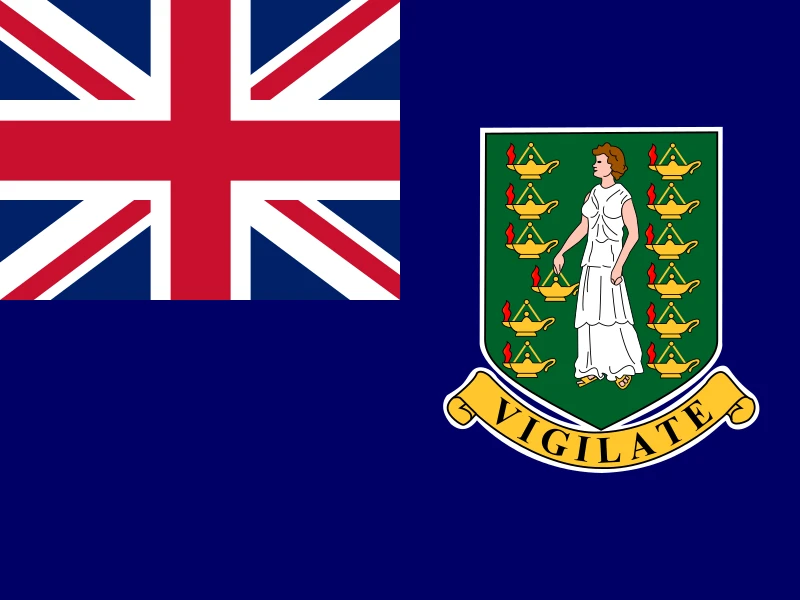
CaribbeanBritish Virgin Islands
Governing law
BVI Business Companies Act, 2004
Sets how a BVI company is formed and run
Formed through
A licensed registered agent
You cannot incorporate directly with the Registry
Key decisions
Directors, shares, agent
Each shapes control and cost later
Watch for
Due diligence on all owners
Documents are needed before incorporation
How a BVI company is set up
A BVI company is incorporated under the BVI Business Companies Act, 2004, and the only route to incorporation is through a licensed registered agent. You choose a name, settle who will direct and own the company, sign the constitutional documents and supply identity and due diligence material. The agent files the documents with the Registry, and once the company is on the register it exists as a separate legal person.
Most of the real work happens before filing: deciding the people and the structure. The filing itself is quick. For the full list of what the law and the agent require, see BVI company requirements, and for the sequence in time, the BVI company timeline.
The decisions in order
- Purpose. What will the company do: hold assets, trade, invoice clients? This drives everything else, including banking and substance.
- Agent. Pick the licensed agent first, because it runs due diligence and prepares the documents.
- Directors. Decide who will manage the company and whether any role is filled by a professional nominee.
- Shares. Decide how many shares, of what class, held by whom.
- Constitution. The memorandum and articles set the company's powers and rules, and the agent usually supplies a standard form you can adapt.
Changing your mind after incorporation is possible but takes filings and fees, so settle the purpose and people up front.
People and documents involved
Several roles can sit with one person or with different ones: director, shareholder, beneficial owner and authorised signatory. The law distinguishes them, and so does the registered agent.
- Identity documents for directors, shareholders and beneficial owners, certified as the agent directs.
- Proof of address for each of them.
- Source of funds and wealth information, which the agent needs for its own risk assessment.
- Description of the activity the company will carry on.
Ownership information is held by the agent and is not on the public register; see BVI beneficial ownership. Having the paperwork ready is the single biggest influence on how smoothly setup goes.
What drives the cost and effort
Setup cost depends on the agent's formation charge, any nominee or additional services, the complexity of the share structure and how much due diligence the agent has to do on your circumstances. The recurring cost afterward matters more than the first invoice, so ask for formation and renewal separately. The BVI company cost page sets out the elements without quoting figures.
Your own effort is mostly assembling documents and making decisions. A structure with several owners, corporate shareholders or a trust above it needs more paperwork, and more time, than a single owner holding the shares directly.
Ask the agent which services are included in the first fee and which are extra, so that nothing surprises you at renewal.
In this section
Each of the three setup decisions has its own detailed guide.
- BVI company directors: who can act, what they owe the company and how nominee directors fit in.
- BVI company shares and share capital: how ownership is divided, classed and recorded.
- BVI registered agent: what the agent does, how to choose one and how to change.
Read them in this order if you are starting from scratch. If you are weighing the BVI against other places first, begin with BVI company pros and cons.
Together these pages answer most of what first-time owners ask, and they link onward to compliance, tax and banking for what follows incorporation.
Mistakes to avoid
- Choosing on price alone. The cheapest formation can carry the most expensive renewals and the slowest service.
- Skipping the purpose question. Banks and agents will ask what the company does, and the answer affects whether economic substance applies.
- Assuming anonymity. Ownership is recorded with the agent and available to the authorities, so do not set the company up on the belief that no one can see who owns it.
- Ignoring your home country. Where you live may tax or require you to report the company regardless of where it is incorporated.
A careful setup is boring: clear purpose, accurate paperwork and a responsive agent.
Review the structure with an adviser before you sign.
What follows incorporation
Incorporation is the start of the company's life, not the end of the work. Once the company exists you will need to keep its registers and records, stay in touch with the registered agent, meet the yearly obligations and, if you want one, open a bank account. The BVI company annual compliance page lists the recurring tasks, and BVI company bank accounts explains what a bank will expect to see. Tax depends on where you live; start with BVI company tax. Doing these things on time is far cheaper than repairing a lapse afterwards. Ask your registered agent which of these it will remind you about, and which it expects you to track yourself.
See the BVI company guide for the full overview and registered agent and registered office for how agents work across jurisdictions.
(Review & sourcing)
Written by
Offshore Companies Online
Editorial team
Reviewed by
John Evans
Offshore structuring
Last updated
4 November 2026
General information
Sourced from
BVI legislation and practitioner guidance
Check that the current particulars hold true with a licensed BVI registered agent
01BVI Business Companies Act, 2004 — company law.
02Beneficial Ownership Secure Search System (BOSS) Act, 2017 — ownership records.
(COMMON QUESTIONS)
Common questions people ask about setting up a BVI company
You instruct a licensed BVI registered agent, supply identity and due diligence documents for the people involved, agree the structure and constitutional documents, and the agent incorporates the company with the Registry.
No. A BVI company must be incorporated through a licensed registered agent and must keep one for as long as it exists.
Typically certified identity and proof of address documents for directors, shareholders and beneficial owners, plus source of funds information and a description of the activity. Your agent will confirm its exact list.
No. Incorporation is normally handled remotely through the registered agent, and your own presence in the BVI is not required.
The BVI does not set a minimum capital requirement. What matters is whether the share structure fits your purpose and what a bank or investor expects.
At least one. Many small structures have a single director, though the right number depends on the purpose and on where management and control will sit.
The purpose of the company, who will own and direct it, and whether you need a bank account, since each affects which agent and structure suit you.
The company needs ongoing records, a registered agent, annual obligations and, in some cases, economic substance and tax reporting. See the compliance pages for details.
(MORE ON THE BVI COMPANY)
Further reading and source material on the BVI Company
References
In-depth reference pages on the BVI Company.
1 min
BVI Company Banking
1 min
BVI Company Compliance
1 min
BVI Company Cost
1 min
BVI Company Requirements
1 min
BVI Company Tax
Recent Articles
Commentary and guides covering BVI companies and offshore structuring.

Jurisdiction Guides7 min read
Offshore Company Redomiciliation: Moving a Company Between Jurisdictions

Offshore Companies6 min read
Offshore Trading Companies: Structure, Invoicing and Where to Form One

Offshore Companies6 min read
Closing an Offshore Company: Dissolution, Strike-Off and Winding Up

Offshore Companies6 min read
Who Controls an Offshore Company: Directors, Shareholders and the Registered Agent

Jurisdiction Guides6 min read
Best Offshore Company Jurisdictions in 2026: How to Choose

Jurisdiction Guides5 min read
Offshore Holding Company: How It Works and Where to Form One

Offshore Companies4 min read
Best Offshore Company for E-Commerce Businesses

Jurisdiction Guides5 min read
Offshore Company Costs: What You Pay to Set Up and Maintain One
(CONTACT US)
Speak to a specialist. Let’s build your structure.
Book a confidential, no-obligation consultation with a senior member of our team to discuss your objectives and the services we have available.