
(REFERENCE · BVI TAX · 6 MIN READ)
BVI Company FBAR and FATCA
US persons with a financial interest in, or signing authority over, accounts outside the United States have reporting duties. This page explains how FBAR and FATCA reach a BVI company’s accounts and its owners. It is general information only.

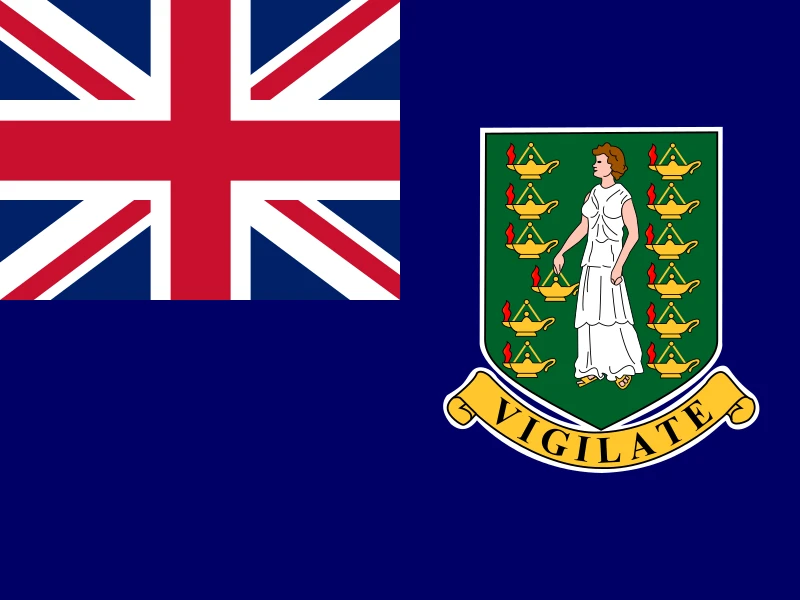
CaribbeanBritish Virgin Islands
FBAR
FinCEN Form 114
Filed with FinCEN, not with the tax return
FATCA
Form 8938 and bank reporting
Assets with the return; banks report US holders
Who
US persons with interest or authority
Ownership or signing rights can both count
Watch
Two regimes, not one
Filing one does not satisfy the other
Why the accounts of a BVI company matter
A US person who owns most of a BVI company, controls it or can sign on its accounts may have to report those accounts personally, even though they belong to the company. The duty can attach to the individual as well as to the entity. This page covers the two regimes that matter most: FBAR and FATCA. The company-level return is a separate matter; see BVI company Form 5471.
The BVI company is formed under the BVI Business Companies Act, 2004, but US reporting depends on US rules and on your facts. Use a US tax professional who handles foreign structures, because this page cannot tell you which reports apply to you.
FBAR
The Report of Foreign Bank and Financial Accounts, filed as FinCEN Form 114, goes to the Financial Crimes Enforcement Network, not with the tax return. It is required when the combined value of a person's foreign accounts passes the reporting threshold at any time in the year. The threshold and the filing deadline are set by US authorities and can change, so check the current rules with an adviser.
A US person who has a financial interest in a BVI company's account, which can arise from owning most of the company, or who has signing authority over it, may need to report that account. Signing authority alone can be enough, even without any ownership. The report lists each account, its institution and the highest balance during the year.
FATCA and Form 8938
FATCA works in two directions. First, some US taxpayers must report specified foreign financial assets with their tax return on Form 8938, above levels that depend on filing status and where they live. Second, foreign financial institutions must identify US account holders and report them. A BVI company's bank may therefore ask you for US tax documents, and may ask the company about its own status and its controlling persons.
Treat those forms seriously and complete them accurately. Inconsistent answers between the bank's forms and your own filings are a risk. For other owners, a similar exchange operates under the Common Reporting Standard; see BVI company CRS reporting.
FBAR and FATCA compared
| Factor | FBAR | FATCA / Form 8938 |
|---|---|---|
| Form | FinCEN Form 114 | Form 8938 |
| Filed with | FinCEN, separately | The tax return |
| Reports | Foreign accounts | Wider specified foreign financial assets |
| Trigger | Interest in or signing authority over accounts | Holdings above levels by status and residence |
The forms overlap but are not identical, with different thresholds, different filers and different penalties. Filing one does not satisfy the other. A person may need both, and the same account can appear on each, so keep one clear record of accounts and balances to draw on.
Reporting is also separate from the question of tax. An account can be reported correctly and produce no tax at all, and an account can generate tax while the reports are missed. Treat reporting and tax as two checks, each with its own deadline and its own consequences.
Who can be caught by these rules
The reach of FBAR and FATCA is wider than owners assume, which is why a short conversation with an adviser is worth having early.
- Owners of a BVI company with accounts abroad, whether they hold the shares directly or through another entity.
- Directors and officers who can sign on or direct the company's accounts, even with no shares.
- Beneficiaries and trustees where a trust sits above the company, depending on their interest and powers.
- Dual nationals and long-term residents who may be US persons without thinking of themselves that way.
Where several people can sign, each may have a duty, though US rules provide some relief where accounts are reported by another party. Confirm how it applies in your case.
Penalties
Failure to file can lead to substantial civil penalties, and wilful failure can be more serious still, including criminal exposure. Penalties can apply even where no tax was owed on the account. Reasonable cause can be a defence in some cases, but it is argued after the fact and depends on evidence.
If you have missed past reports, speak to an adviser before a tax authority contacts you. Options for people who come forward voluntarily are often better than for those who wait. Do not assume a late filing is harmless, and do not simply stop filing. Gather statements and records for every affected year before you speak to the adviser.
Practical steps
- List every account the company holds, which institution holds it and who can sign on it.
- Have a US tax professional confirm which reports apply to each person involved.
- Keep statements so the highest balances in each year can be reported.
- Answer the bank's tax forms consistently with your own filings.
- Add the dates to a yearly calendar, with time to gather statements, next to the BVI duties on BVI company annual compliance.
Think about reporting before you open accounts; see BVI company bank account and the guide to Swiss bank accounts for US persons for another jurisdiction. A BVI company is not a creditor-protection tool on its own. The section overview is BVI company tax, and the main guide is the BVI company page.
See BVI company Form 5471 for the company-level return and BVI company CRS reporting for account information exchange.
(Review & sourcing)
Written by
Offshore Companies Online
Editorial team
Reviewed by
John Evans
Offshore structuring
Last updated
4 November 2026
General information
Sourced from
BVI legislation and practitioner guidance
Check that the current particulars hold true with a licensed BVI registered agent
01BVI Business Companies Act, 2004 — company law.
02FinCEN Form 114 and Form 8938 instructions — US filing guidance.
(COMMON QUESTIONS)
Common questions people ask about FBAR, FATCA and BVI companies
If you are a US person with a financial interest in, or signing authority over, the account, and your foreign accounts together pass the reporting threshold, you may have to. Confirm with a US tax professional.
It is the Report of Foreign Bank and Financial Accounts, filed as FinCEN Form 114 with the Financial Crimes Enforcement Network rather than with your tax return.
A US law under which some taxpayers report foreign financial assets on Form 8938, and foreign financial institutions identify and report US account holders.
No. They have different filers, thresholds, forms, filing places and penalties, and filing one does not satisfy the other.
It can. A person with signing authority over a company's foreign account may have to report it even without owning the company.
FATCA requires foreign institutions to identify US account holders and controlling persons. Complete the forms accurately and consistently with your tax filings.
Civil penalties can be substantial and can apply even if no tax was owed. Wilful failure can be more serious. Ask an adviser about your own exposure.
The duties often fall on the individual owners or signers, not only on the company. A US tax professional can say who must report what.
(MORE ON THE BVI COMPANY)
Further reading and source material on the BVI Company
References
In-depth reference pages on the BVI Company.
1 min
BVI Company Banking
1 min
BVI Company Compliance
1 min
BVI Company Cost
1 min
BVI Company Requirements
1 min
BVI Company Tax
Recent Articles
Commentary and guides covering BVI companies and offshore structuring.

Jurisdiction Guides7 min read
Offshore Company Redomiciliation: Moving a Company Between Jurisdictions

Offshore Companies6 min read
Offshore Trading Companies: Structure, Invoicing and Where to Form One

Offshore Companies6 min read
Closing an Offshore Company: Dissolution, Strike-Off and Winding Up

Offshore Companies6 min read
Who Controls an Offshore Company: Directors, Shareholders and the Registered Agent

Jurisdiction Guides6 min read
Best Offshore Company Jurisdictions in 2026: How to Choose

Jurisdiction Guides5 min read
Offshore Holding Company: How It Works and Where to Form One

Offshore Companies4 min read
Best Offshore Company for E-Commerce Businesses

Jurisdiction Guides5 min read
Offshore Company Costs: What You Pay to Set Up and Maintain One
(CONTACT US)
Speak to a specialist. Let’s build your structure.
Book a confidential, no-obligation consultation with a senior member of our team to discuss your objectives and the services we have available.


