
(REFERENCE · BVI TAX · 7 MIN READ)
BVI Company Tax
How a BVI company is taxed locally is only part of the picture. The owner’s home country decides whether the company’s income is taxed there, and several reporting regimes apply whatever the BVI position. This section explains the map and links to each filing.

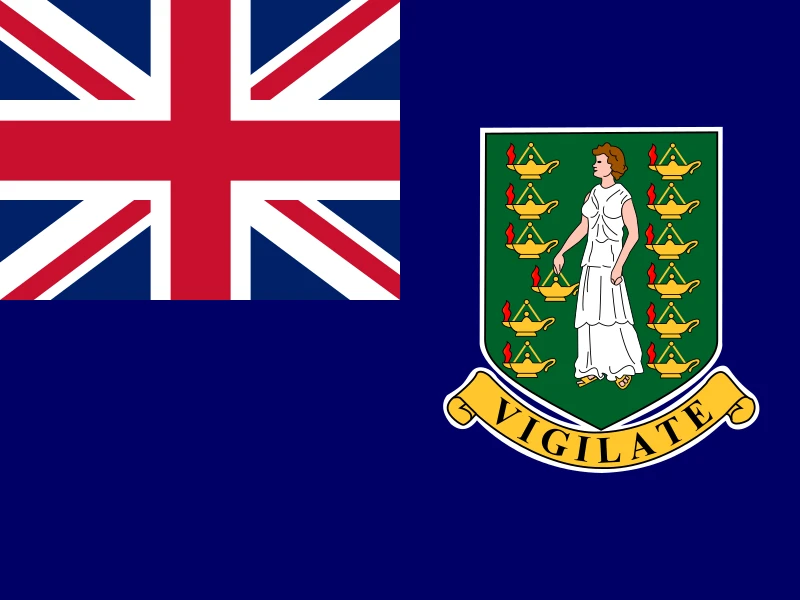
CaribbeanBritish Virgin Islands
BVI side
Company-level rules under BVI law
Confirm the current position with your registered agent
Owner side
Home country decides
Residence and citizenship drive your own tax
US persons
Form 5471, FBAR, Form 8938
Reporting can apply even if no tax is due
Other owners
Common Reporting Standard
Account information is exchanged between countries
Tax on a BVI company has two layers
The first layer is the BVI itself. A BVI company is created under the BVI Business Companies Act, 2004, and the territory's treatment of company income is generally light for businesses operating outside it. That position depends on what the company does and on current law, and it should be confirmed with your registered agent rather than assumed. It is also not the same as a company being tax-free.
The second layer is you. Most owners live in a country that taxes residents, and sometimes citizens, on a worldwide basis. Whether that country taxes the company's income, taxes you when profit is paid out, or ignores the company until money reaches you depends on its own rules. The BVI cannot switch those rules off. The practical effect is that the question is rarely "what does the BVI charge?" and usually "what does my country do with this company?"
Why owner reporting matters more than local tax
Many countries require owners to disclose foreign companies and foreign accounts, even when no tax is due. Penalties for failing to file are often heavier than the tax at stake, so reporting is where careless structures get hurt.
Information also flows between governments. Under the Common Reporting Standard, participating jurisdictions collect account information from financial institutions and exchange it with the account holder's country of residence. A BVI company with a bank account is inside that system, whether the bank is in the BVI or elsewhere. Structures are not hidden by being offshore, and good planning assumes the home tax authority can see them.
Beneficial ownership records add another layer; see BVI beneficial ownership.
If you are a US person
US citizens and residents face a distinct and demanding set of rules wherever the company is registered. A BVI company owned or controlled by US persons may be a controlled foreign corporation, which can cause some of its income to be taxed to the US owners as it arises, through Subpart F and GILTI, rather than only when paid out. Form 5471 reports the company to the US tax authorities. FBAR and Form 8938 report foreign accounts and assets.
These rules are technical and depend on ownership percentages, income types and your personal facts. This section stays general on purpose. Do not rely on a website to decide your filings. Use a US tax professional who handles foreign structures, ideally before you form the company.
In this section
Each page takes one reporting topic. Read the one that fits your situation, then speak to an adviser about your own position.
- BVI company Form 5471: the US information return for foreign corporations, and how controlled foreign corporation rules apply to owners.
- BVI company FBAR and FATCA: how foreign account and asset reporting reaches a BVI company's accounts and its US owners.
- BVI company CRS reporting: automatic exchange of account information between countries, and what the bank will ask you.
The same background applies to all three: banks ask about tax residence when you open an account, so also read BVI company bank account, and keep the yearly calendar on BVI company annual compliance in view alongside them.
What good planning looks like
- Work out your own tax residence and citizenship first, because they set which rules reach you.
- Decide what the company will do and where income will arise, so the tax analysis uses real facts.
- Take advice from a qualified professional in your home country before forming, not after the first filing is missed.
- Keep proper accounts and records, since most reporting is built from them.
- Put the filings into a yearly calendar next to the BVI duties on BVI company annual compliance.
If you have missed past filings, speak to an adviser about correcting them before a tax authority contacts you.
If you are not a US person
Owners outside the United States face their own country's rules, which differ widely. Some countries tax the profits of a foreign company their residents control as they arise, some tax only distributions, and some apply special rules to companies in low-tax or offshore jurisdictions. Many require residents to declare foreign companies and foreign accounts.
What most have in common is access to the Common Reporting Standard data, so the home tax authority is likely to know about a BVI company's bank accounts. We cannot summarise every country here. Ask a tax professional in your country of residence how a BVI company would be treated, and tell your registered agent and bank the same facts you give your adviser. BVI company CRS reporting explains the exchange.
Limits, related pages and next steps
Tax rules change, and so do reporting forms and thresholds. Nothing here is advice for your situation. A BVI company is also not a creditor-protection tool on its own; if that is your aim, look at the Cook Islands trust and BVI company with a trust.
Substance can affect how authorities view a company, so read economic substance, and see BVI economic substance for the BVI regime. Banking and reporting are linked, as banks ask about tax residence and may share what they learn with the relevant authorities; see BVI company bank account. For the structure itself, return to the BVI company guide.
See BVI company for the structure and BVI company annual compliance for the yearly BVI duties.
(Review & sourcing)
Written by
Offshore Companies Online
Editorial team
Reviewed by
John Evans
Offshore structuring
Last updated
4 November 2026
General information
Sourced from
BVI legislation and practitioner guidance
Check that the current particulars hold true with a licensed BVI registered agent
01BVI Business Companies Act, 2004 — company law.
02Common Reporting Standard — automatic exchange of account information.
(COMMON QUESTIONS)
Common questions people ask about BVI company tax
BVI treatment of company income is generally light for businesses operating outside the territory, but it depends on current law and on what the company does. Confirm with your registered agent. It is not accurate to call a BVI company tax-free.
Possibly. Many countries tax residents or citizens on worldwide income and have rules for foreign companies they control. The answer depends on your country and facts, so take local advice.
Generally yes. Owning or controlling a foreign corporation usually brings US reporting, and foreign accounts have their own reports. Use a US tax professional who handles foreign structures.
It is an international system under which financial institutions report account information to their local authority, which exchanges it with the account holder's country of residence.
No. Banks collect ownership details, account information is exchanged under the Common Reporting Standard, and the BVI keeps beneficial ownership records. Plan on the assumption that your home tax authority can see the structure.
Often yes. Many reporting duties depend on ownership or account access, not on profit, and penalties can apply even where no tax was due.
Usually there are ways to correct past reporting, and acting before a tax authority contacts you generally helps. Speak to a qualified adviser about your options.
A tax professional in your country of residence, and for US persons one who regularly handles foreign companies and accounts. We can explain the structure, but not your personal tax.
(MORE ON THE BVI COMPANY)
Further reading and source material on the BVI Company
References
In-depth reference pages on the BVI Company.
1 min
BVI Company Banking
1 min
BVI Company Compliance
1 min
BVI Company Cost
1 min
BVI Company Requirements
1 min
BVI Company Tax
Recent Articles
Commentary and guides covering BVI companies and offshore structuring.

Jurisdiction Guides7 min read
Offshore Company Redomiciliation: Moving a Company Between Jurisdictions

Offshore Companies6 min read
Offshore Trading Companies: Structure, Invoicing and Where to Form One

Offshore Companies6 min read
Closing an Offshore Company: Dissolution, Strike-Off and Winding Up

Offshore Companies6 min read
Who Controls an Offshore Company: Directors, Shareholders and the Registered Agent

Jurisdiction Guides6 min read
Best Offshore Company Jurisdictions in 2026: How to Choose

Jurisdiction Guides5 min read
Offshore Holding Company: How It Works and Where to Form One

Offshore Companies4 min read
Best Offshore Company for E-Commerce Businesses

Jurisdiction Guides5 min read
Offshore Company Costs: What You Pay to Set Up and Maintain One
(CONTACT US)
Speak to a specialist. Let’s build your structure.
Book a confidential, no-obligation consultation with a senior member of our team to discuss your objectives and the services we have available.