
(REFERENCE · BVI COMPANY · 6 MIN READ)
Is a BVI Company Legal?
Yes. A BVI company is a lawful, regulated corporate structure. Whether your use of one is lawful depends on what it does and whether its owners declare it where they live. This page sets out where the legal lines fall.

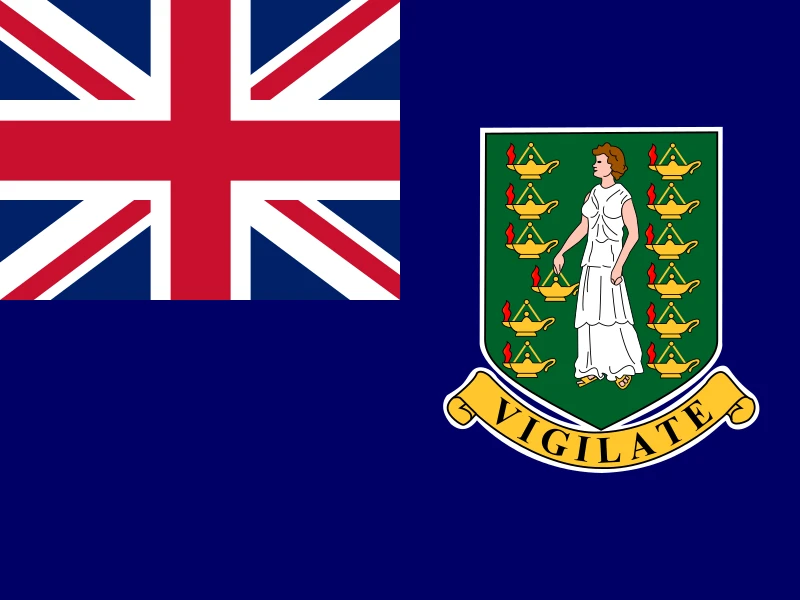
CaribbeanBritish Virgin Islands
Statute
BVI Business Companies Act, 2004
Lawful company form, regulated locally
Lawful if
Genuine purpose, fully declared
Reported where owners are resident
Not
Anonymous or untraceable
Ownership is recorded and shared
Key risk
Misuse, not the structure
Concealment, evasion, sham transfers
The direct answer
A BVI company is legal. It is created under the BVI Business Companies Act, 2004, formed through a licensed registered agent and supervised by BVI authorities. Using a company in another jurisdiction is not an offence anywhere we are aware of, and businesses and investors have used BVI companies for ordinary, legitimate purposes for a long time.
What matters is how the company is used. The same company can be a perfectly proper holding or trading vehicle or part of an unlawful scheme, depending on its purpose and on whether its owners comply with the law where they live. The structure is neutral; the conduct is not. For the structure itself, see the BVI company, and for the same question across jurisdictions, is an offshore company legal.
Nothing on this page replaces advice from a qualified adviser in your own country.
What makes a BVI company lawful
- It is formed through a licensed agent, with the owners verified and ownership information recorded.
- It has a genuine, lawful purpose that you can describe to a bank or regulator without difficulty.
- Its owners report it, and its income, where they are tax resident.
- It meets its BVI duties every year. See BVI annual compliance.
- Where its activity is a relevant one, it meets economic substance duties. See BVI economic substance requirements.
A company that ticks these boxes is not suspect merely because it is offshore. A company that fails them is exposed however respectable its jurisdiction.
If you cannot explain in a sentence or two why the company exists, a bank or regulator will ask the question for you.
What can make it unlawful
Illegality comes from the use, not the form. The patterns that cause trouble are consistent:
- Hiding income or assets from a tax authority, or failing to declare a foreign company you control
- Using the company to mislead a bank, a court, a counterparty or a creditor
- Money laundering, sanctions evasion or other financial crime
- Moving assets into the company to avoid a debt or claim you already face
The last point matters for asset protection. A BVI company is not a creditor-protection tool on its own, and a transfer made to defeat an existing creditor can be unwound by a court. Where protection is the real aim, plan early and look at the Cook Islands trust and Nevis company structures.
If any of these describe your plan, stop and take advice before going further.
Legal does not mean invisible
A BVI company is not anonymous or untraceable. The agent holds verified ownership information, and the BVI's beneficial ownership regime makes that information available to competent authorities. Banks identify the owners of the accounts they open, and many countries receive information about foreign accounts under the Common Reporting Standard. See BVI beneficial ownership and BVI company CRS reporting.
Anyone who markets a BVI company as a way to be hidden is selling something that does not exist, and the buyer carries the legal risk. Privacy in this context means the information is not on a public register, not that nobody can find it.
In practice this means you should assume that your tax authority can, over time, learn that the company exists.
Your home country decides most of it
Many countries tax or regulate foreign companies controlled by their residents, and the rules apply regardless of the company's BVI status. A US person, for example, may need to file Form 5471, report foreign bank accounts on the FBAR (FinCEN Form 114) and consider the controlled foreign corporation rules, Subpart F and GILTI. See BVI company Form 5471 and FBAR and FATCA for BVI companies.
Other countries have their own regimes under different names. Before you form a company, get advice on the position where you live, because failing to declare is the single most common way an ordinary, lawful structure becomes a problem.
What to do
Take advice on your home-country position first. Form the company through a licensed agent, give it a real purpose, keep records, and declare it and its income wherever the law requires. Do not use the company to disguise ownership from anyone entitled to know it.
If a provider tells you that you need not report the company, or that it cannot be traced, treat that as a reason to walk away. A sound structure survives scrutiny. For what the company needs by law, see BVI company requirements, and for a balanced view of the trade-offs, BVI company pros and cons. Rules change, so confirm the current position with your registered agent and an adviser in your own country.
Keep the paperwork that shows the company's purpose and funding, so you can answer any question calmly years later.
See BVI company tax for the reporting side in more detail.
(Review & sourcing)
Written by
Offshore Companies Online
Editorial team
Reviewed by
John Evans
Offshore structuring
Last updated
4 November 2026
General information
Sourced from
BVI legislation and practitioner guidance
Check that the current particulars hold true with a licensed BVI registered agent
01BVI Business Companies Act, 2004 — company law.
02Beneficial Ownership Secure Search System (BOSS) Act, 2017 — ownership records.
03Common Reporting Standard — international account information exchange.
(COMMON QUESTIONS)
Common questions people ask about whether a BVI company is legal
Yes. It is a lawful company form created under the BVI Business Companies Act, 2004 and supervised by BVI authorities. Whether your use is lawful depends on its purpose and on you declaring it where you live.
Owning a foreign company is not itself illegal, but a US person has specific reporting duties, such as Form 5471 and FBAR where they apply. Take advice from a US tax professional.
No. Ownership is not on a public register, but the agent and the authorities hold it and it can be shared with other countries and with banks. Anyone claiming otherwise is wrong.
In most countries, if you are resident there, you must report a foreign company you own or control. The rules differ by country, so confirm yours with a local adviser.
Lawful tax planning is different from evasion. Hiding income or assets is unlawful; structuring within the rules and declaring everything is not. Take advice before you rely on any tax outcome.
It is legal, but it is not a creditor-protection tool on its own. Transfers made to avoid an existing debt can be reversed by a court.
Banks apply extra checks to offshore companies because of financial crime and sanctions rules. A clear purpose and complete documents help.
Pay the annual fees on time, keep the required records, meet any substance filing duty, report changes to your agent and declare the company in your home country.
(MORE ON THE BVI COMPANY)
Further reading and source material on the BVI Company
References
In-depth reference pages on the BVI Company.
1 min
BVI Company Banking
1 min
BVI Company Compliance
1 min
BVI Company Cost
1 min
BVI Company Requirements
1 min
BVI Company Tax
Recent Articles
Commentary and guides covering BVI companies and offshore structuring.

Jurisdiction Guides7 min read
Offshore Company Redomiciliation: Moving a Company Between Jurisdictions

Offshore Companies6 min read
Offshore Trading Companies: Structure, Invoicing and Where to Form One

Offshore Companies6 min read
Closing an Offshore Company: Dissolution, Strike-Off and Winding Up

Offshore Companies6 min read
Who Controls an Offshore Company: Directors, Shareholders and the Registered Agent

Jurisdiction Guides6 min read
Best Offshore Company Jurisdictions in 2026: How to Choose

Jurisdiction Guides5 min read
Offshore Holding Company: How It Works and Where to Form One

Offshore Companies4 min read
Best Offshore Company for E-Commerce Businesses

Jurisdiction Guides5 min read
Offshore Company Costs: What You Pay to Set Up and Maintain One
(CONTACT US)
Speak to a specialist. Let’s build your structure.
Book a confidential, no-obligation consultation with a senior member of our team to discuss your objectives and the services we have available.


