

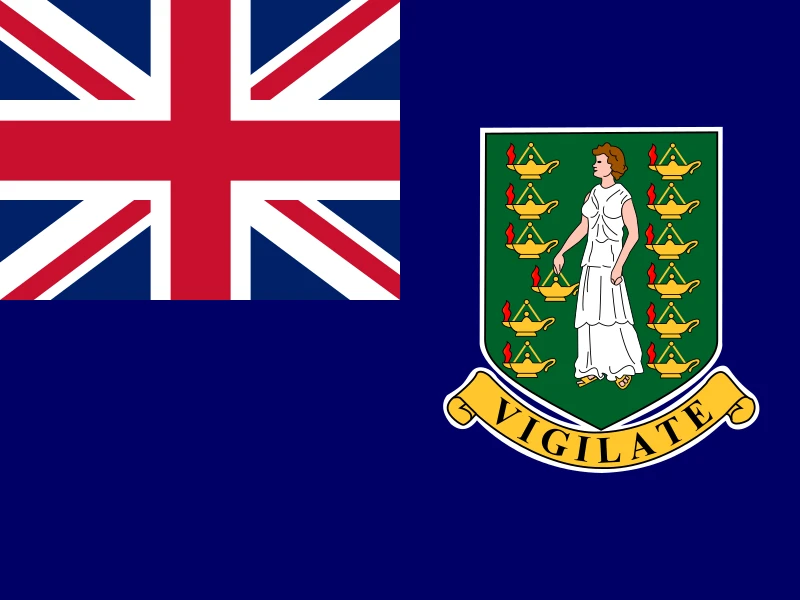
CaribbeanBritish Virgin Islands
Statute
BVI Business Companies Act, 2004
Flexible, widely understood company law
Best for
Holding and trading structures
Where recognition and low admin matter
Main drawback
Banking and reporting
Banks cautious, home filings heavy
Not for
Creditor protection alone
Pair with a trust if that is the aim
The balanced view
A BVI company is a flexible, well-known tool that works best for holding, investment and international trading structures. It works poorly where you need a bank account that is easy to get, a network of tax treaties, or protection from creditors. Whether the advantages outweigh the drawbacks depends on what you want the company to do and where its owners live.
The main guide is on the BVI company page. This page weighs the pros and cons directly so you can decide whether it is the right tool or whether another jurisdiction fits better. As with all offshore structures, the company is lawful when used honestly and declared properly; see is a BVI company legal.
We would rather you decide against a BVI company for the right reasons than form one that does not fit.
The advantages
- Widely recognised. Banks, lawyers and counterparties around the world know the BVI business company.
- Flexible. Few restrictions on share structure, directors or business purpose, and no minimum share capital.
- Quick to form, once due diligence is complete. See how long BVI formation takes.
- Private, not secret. Ownership is not on a public register, although authorities can obtain it.
- Economical to run compared with many operating-company jurisdictions. See BVI company cost.
- Good for holding and special-purpose structures. See BVI holding company.
These points explain why the BVI has long been a default choice for international structures where neutrality and simplicity count for more than treaty access.
The drawbacks
- Banking is harder. Many banks are cautious about offshore companies and can decline. See BVI company banking.
- Few tax treaties. Treaty planning usually has to run through another jurisdiction.
- Substance rules apply to certain activities. See BVI economic substance requirements.
- Owner reporting. Home-country filings can be heavy. See BVI company tax.
- Reputation. Some counterparties treat any offshore company with extra caution and ask more questions.
- Ongoing duties. Annual fees, records and filings continue as long as the company exists.
None of these is fatal, but each should be priced into the decision before you form the company, not discovered afterwards.
Treat the list as a checklist: if two or three of these points would trouble you, pause before forming the company.
Not a creditor-protection tool
The most common misunderstanding about a BVI company is that it shields assets from creditors. On its own it does not. A creditor who obtains a judgment against you can generally pursue your shares in the company, and a transfer of assets made to avoid a debt you already face can be reversed by a court.
If protection is your main aim, compare structures built for it. The Nevis company and Cook Islands company are designed with that purpose in mind, and the strongest planning usually pairs one with a trust. See the Cook Islands trust. A BVI company can still sit in such a structure for its other strengths, but it should not be the protective layer.
How it compares with the alternatives
Your choice usually turns on a few factors. The table sets the BVI against the two alternatives people most often raise.
| Factor | BVI | Cayman | Hong Kong |
|---|---|---|---|
| Typical use | Holding, trading, SPVs | Funds, institutional | Operating base in Asia |
| Substance | Light for holding | Rules apply | Real presence expected |
| Running burden | Low | Higher | Higher |
See BVI vs Cayman and BVI vs Hong Kong for the full comparison.
Delaware and the other US states offer domestic options that some US owners prefer for simplicity, which is why BVI company vs Delaware LLC is worth reading. The right comparison always starts from your residence, the activity of the company and the way you expect to bank. Cost matters too, but a cheaper company that cannot open an account, or that creates reporting you did not plan for, is the more expensive choice in practice. Build your shortlist around purpose first and price second.
Who it suits, and who should look elsewhere
A BVI company fits international trading, holding and investment structures where recognition and low administration matter, and where the owners are comfortable with the reporting that comes with a foreign company. It fits especially well as a holding vehicle, or as a bottom-tier company in a larger structure.
Look elsewhere if you need a high-substance operating base, treaty access for dividends and interest, a fund or institutional vehicle, or a protective layer against creditors. Weigh your plan against the drawbacks above before you commit, and confirm the current rules with your registered agent. Our BVI company requirements page shows what forming and keeping one involves in practice.
If you are still unsure, the honest answer is often to start with a conversation about purpose rather than a quote.
See BVI company vs Delaware LLC if a US owner is weighing a domestic alternative.
(Review & sourcing)
Written by
Offshore Companies Online
Editorial team
Reviewed by
John Evans
Offshore structuring
Last updated
4 November 2026
General information
Sourced from
BVI legislation and practitioner guidance
Check that the current particulars hold true with a licensed BVI registered agent
01BVI Business Companies Act, 2004 — company law.
02Economic Substance (Companies and Limited Partnerships) Act, 2018 — substance duties.
(COMMON QUESTIONS)
Common questions people ask about the pros and cons of a BVI company
It is widely recognised, flexible in structure, quick to form once diligence is done, economical to run and well suited to holding and special-purpose structures.
Banking can be difficult, there are few tax treaties, substance rules apply to some activities, owners may face heavy home-country reporting and some counterparties are cautious.
Not on its own. A creditor can generally pursue your shares, and transfers made to avoid an existing debt can be unwound. Consider Nevis or Cook Islands structures if protection is the aim.
Often, yes. It is flexible and well known, but check your home-country tax position, treaty needs and substance obligations first.
Ownership is not on a public register, but the agent and authorities hold it and it can be shared under international rules. Private does not mean anonymous.
It can be. Many banks are cautious about offshore companies and may decline, so prepare a complete file and a clear business description. An EMI account is sometimes an interim option.
It depends on where the owners live, the purpose and the tax position. A US owner should read the comparison and take tax advice before choosing.
People who need strong treaty access, a substantial operating presence, a fund structure or creditor protection on its own should look at other options.
(MORE ON THE BVI COMPANY)
Further reading and source material on the BVI Company
References
In-depth reference pages on the BVI Company.
1 min
BVI Company Banking
1 min
BVI Company Compliance
1 min
BVI Company Cost
1 min
BVI Company Requirements
1 min
BVI Company Tax
Recent Articles
Commentary and guides covering BVI companies and offshore structuring.

Jurisdiction Guides7 min read
Offshore Company Redomiciliation: Moving a Company Between Jurisdictions

Offshore Companies6 min read
Offshore Trading Companies: Structure, Invoicing and Where to Form One

Offshore Companies6 min read
Closing an Offshore Company: Dissolution, Strike-Off and Winding Up

Offshore Companies6 min read
Who Controls an Offshore Company: Directors, Shareholders and the Registered Agent

Jurisdiction Guides6 min read
Best Offshore Company Jurisdictions in 2026: How to Choose

Jurisdiction Guides5 min read
Offshore Holding Company: How It Works and Where to Form One

Offshore Companies4 min read
Best Offshore Company for E-Commerce Businesses

Jurisdiction Guides5 min read
Offshore Company Costs: What You Pay to Set Up and Maintain One
(CONTACT US)
Speak to a specialist. Let’s build your structure.
Book a confidential, no-obligation consultation with a senior member of our team to discuss your objectives and the services we have available.