
(REFERENCE · BVI COMPANY · 6 MIN READ)
What a BVI Company Is Used For
A BVI company is a general-purpose vehicle, and what it does well depends on the activity, the owner’s country and the banking route. This page maps the common uses and points to the detailed guide for each.

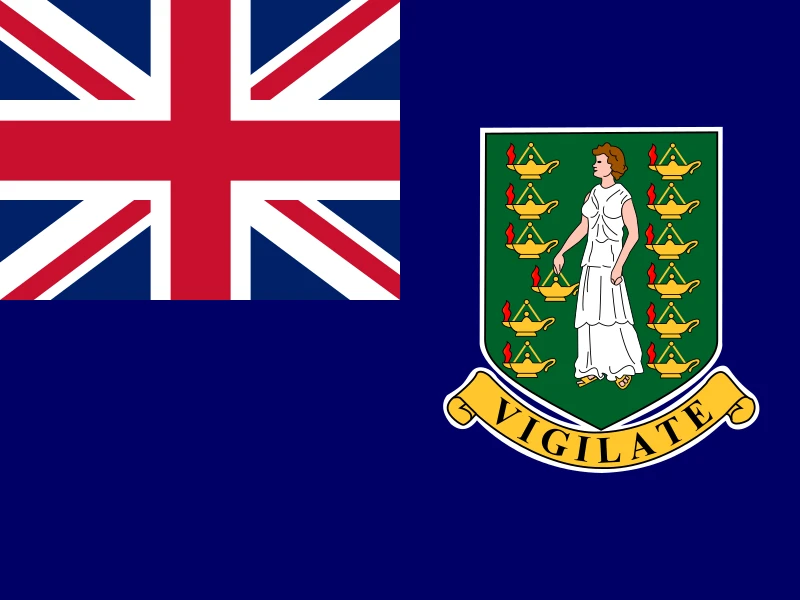
CaribbeanBritish Virgin Islands
Statute
BVI Business Companies Act, 2004
One company law, many possible uses
Common uses
Holding, trading, IP, property
Each has its own limits
Decides fit
Activity, owner's country, bank
The same company works differently for each
Watch for
Substance and home-country tax
Both depend on what the company does
A flexible vehicle with limits
The BVI Business Companies Act, 2004 gives a BVI company wide powers, limited liability for its shareholders and a light constitutional framework. That is why it appears in so many structures: investment holding, trading, intellectual property, consulting, online business, digital assets and property ownership.
But flexibility is not the same as suitability. The same company can be a sensible choice for one activity and a poor one for another, depending on where its owner lives, whether a bank will open an account and whether the activity triggers tax or substance obligations. Read BVI company pros and cons and whether a BVI company is legal first if you are still deciding.
What shapes whether a use works
- Where you live. Your home country may tax or require disclosure of the company regardless of where it is incorporated. US owners should look at Form 5471, FBAR, FATCA and the controlled foreign corporation rules; see BVI company tax.
- Economic substance. Certain activities are in scope of the Economic Substance (Companies and Limited Partnerships) Act, 2018 and need real presence and activity. See BVI economic substance.
- Banking. Banks assess the activity, the customers and the countries involved, and some activities are harder to bank than others. See BVI company banking.
- Regulation. Some activities, such as investment business or virtual asset services, may need a licence or registration. Confirm with your registered agent.
The broader uses
Two uses are broad enough to have their own pages outside this section.
- BVI holding company: owning shares, investments or other companies, and how the BVI fits into a group.
- BVI trading company: buying and selling goods or services, and the banking and substance questions that follow.
The five uses below are narrower and each raises its own issues. Most of them are variations on holding or trading, with extra points about who the customers are, what the asset is and which regulator might care. If you are not sure which of these describes you, start with the general pages and then move to the specific one.
In this section
Each narrower use has its own guide.
- BVI company for consultants: independent professionals and agencies invoicing clients abroad.
- BVI company for e-commerce: selling online and taking payments.
- BVI IP holding company: owning brands, software and royalties.
- BVI company for crypto: holding or operating in digital assets.
- BVI company for real estate: owning property abroad through a company.
Each page explains how the use works, who it suits and where it stops being sensible.
Start with the page closest to your plan, then follow its links to compliance, tax and banking.
If your plan spans more than one of these uses, read each page, since the issues can add up.
Choosing a use and structure together
Decide the use before the structure, because it determines the answers to who directs the company, who owns the shares and what the agent will ask for. A consultant with one owner and one client base has a different structure from a group holding company with several shareholders. See setting up a BVI company for the decisions that follow.
Where the aim is protecting assets from future claims, a company on its own is not the answer. The BVI company is not a creditor-protection tool, and a protective purpose points toward a trust such as a Cook Islands trust, with the company beneath it; see BVI company with a trust.
Comparing with other jurisdictions
The BVI is not the only choice for any of these uses. For some, a US LLC, a Hong Kong company or a Singapore company may bank more easily, tax differently or carry more credibility with customers. Side-by-side pages cover Delaware LLC, Singapore and Cayman companies. The general common uses of offshore companies page takes the same question across all jurisdictions.
No single jurisdiction wins on every measure. The honest comparison is the one that starts with your facts and tests each option against them, including the cost of maintaining the company year after year and how readily a bank or customer will accept it.
Before you form one
Write down what the company will own or do, who the customers or counterparties are, where the money comes from and where you live for tax. If you cannot explain the purpose in a few sentences, a bank and an agent will not be able to either. Raise these questions with your registered agent and an adviser in your own country, and confirm the current position on any rule that may have changed.
Treat the BVI company as a tool whose value comes from fit, not from the jurisdiction's name.
Revisit the choice if the activity changes, because a use that began as a simple holding arrangement can become a trading or regulated one without anyone deciding it should.
See the BVI company guide for the overview and setting up a BVI company for the formation decisions.
(Review & sourcing)
Written by
Offshore Companies Online
Editorial team
Reviewed by
John Evans
Offshore structuring
Last updated
4 November 2026
General information
Sourced from
BVI legislation and practitioner guidance
Check that the current particulars hold true with a licensed BVI registered agent
01BVI Business Companies Act, 2004 — company law.
02Economic Substance (Companies and Limited Partnerships) Act, 2018 — substance rules.
(COMMON QUESTIONS)
Common questions people ask about BVI company uses
Common uses include holding investments, trading, owning intellectual property, consulting, online business, digital assets and property. Fit depends on the activity, where you live and the banking route.
It can be, but payment processors and banks look closely at the business and customers, and your home country's tax rules still apply. See the e-commerce guide for detail.
Yes, and IP holding is a common use, but tax and substance rules, and the home country's treatment of royalties, need careful review.
It is used to hold or operate in digital assets, but some activities may fall under the BVI's virtual asset service provider regime and need registration or a licence. Confirm with your agent.
Yes, in many places, but the property country's tax, disclosure and ownership rules decide whether it is sensible. Take local advice.
Not on its own. Protection comes from structures such as a Cook Islands or Nevis trust, with the company beneath them.
Only if the company carries on a relevant activity under the Economic Substance (Companies and Limited Partnerships) Act, 2018. Your agent can tell you whether yours is in scope.
It depends on where you live and what the company does. Home-country rules may tax the company's income or require reporting, so do not assume a BVI company reduces your tax.
(MORE ON THE BVI COMPANY)
Further reading and source material on the BVI Company
References
In-depth reference pages on the BVI Company.
1 min
BVI Company Banking
1 min
BVI Company Compliance
1 min
BVI Company Cost
1 min
BVI Company Requirements
1 min
BVI Company Tax
Recent Articles
Commentary and guides covering BVI companies and offshore structuring.

Jurisdiction Guides7 min read
Offshore Company Redomiciliation: Moving a Company Between Jurisdictions

Offshore Companies6 min read
Offshore Trading Companies: Structure, Invoicing and Where to Form One

Offshore Companies6 min read
Closing an Offshore Company: Dissolution, Strike-Off and Winding Up

Offshore Companies6 min read
Who Controls an Offshore Company: Directors, Shareholders and the Registered Agent

Jurisdiction Guides6 min read
Best Offshore Company Jurisdictions in 2026: How to Choose

Jurisdiction Guides5 min read
Offshore Holding Company: How It Works and Where to Form One

Offshore Companies4 min read
Best Offshore Company for E-Commerce Businesses

Jurisdiction Guides5 min read
Offshore Company Costs: What You Pay to Set Up and Maintain One
(CONTACT US)
Speak to a specialist. Let’s build your structure.
Book a confidential, no-obligation consultation with a senior member of our team to discuss your objectives and the services we have available.