
(REFERENCE · BVI COMPANY · 6 MIN READ)
BVI vs Cayman Company
BVI and Cayman Islands companies compared on cost, use, regulation, institutional standing and flexibility. The page sets out where each fits, so you can pick the jurisdiction that matches what the structure has to do.

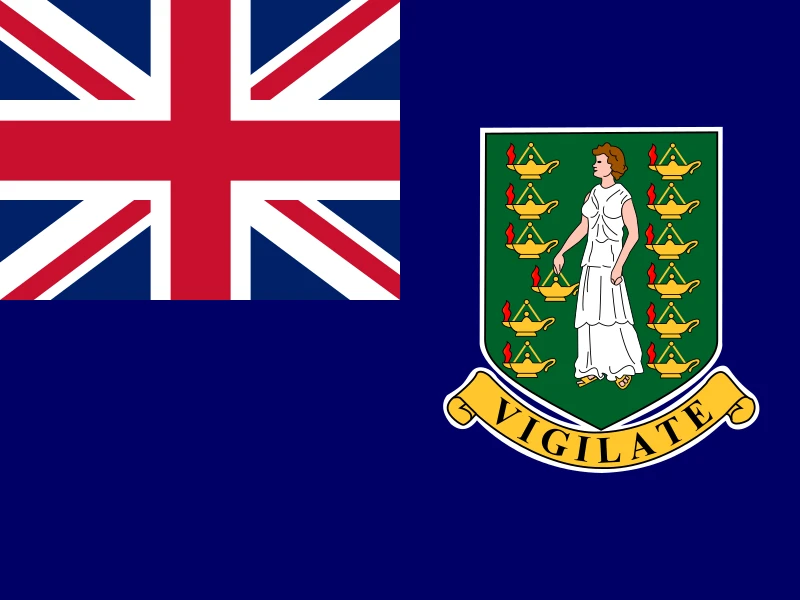
CaribbeanBritish Virgin Islands
BVI use
Holding, SPV, trading
Private and commercial
Cayman use
Funds, institutional deals
Where investors expect it
Cost pattern
BVI generally lower
Compare annual, not headline
Neither solves
Home-country tax
Not creditor protection alone
The short answer
The British Virgin Islands and the Cayman Islands are both British Overseas Territories, both well known in international finance, and both used for holding companies and investment structures. They are not interchangeable. In general the BVI is the lighter, lower-cost option for private and commercial holding structures, while Cayman is the more established choice for institutional funds and larger transactions.
Neither is better in the abstract. The right one is usually decided by who will look at the structure: a bank, an investor, a lender or a counterparty. Our own pages cover each in turn: the BVI company and the Cayman Islands company.
Side-by-side comparison
| Factor | BVI | Cayman Islands |
|---|---|---|
| Typical use | Holding companies, SPVs, trading, private structures | Investment funds, institutional structures, larger transactions |
| Running cost | Generally lower | Generally higher |
| Formation | Quick and straightforward | Also quick, with higher professional fees |
| Institutional standing | Widely recognised | Very strongly recognised, especially for funds |
| Fund regime | Regulated regime available | Long-established, well-known regime |
| Substance rules | Apply to defined activities | Apply to defined activities |
These are general patterns, not guarantees. Fees, regulatory expectations and rules change, so confirm current figures and requirements with a registered agent in each jurisdiction before you commit. Read the table as a starting point for questions to put to an agent, not as a ranking: a row that favours one side may be irrelevant to your use.
Cost and administration
Cost is the most common reason owners lean toward the BVI. Government charges, agent fees and the professional time needed to keep the company in good standing are generally lower there, and the structure of a standard BVI business company is simple to administer. Cayman is not slow or difficult to form, but the market it serves, with institutional counterparties and regulated funds, tends to carry higher professional fees and heavier expectations.
Compare first-year and annual running cost rather than the headline formation price, and include agent, accounting and any advice you will need. A structure that is cheap to form but needs frequent legal input can cost more over its life than a slightly dearer one that runs quietly. The drivers on the BVI side are explained on our BVI company cost page.
Funds, investors and institutional standing
This is where Cayman has the clearer edge. If you are setting up an investment fund or taking in outside investors, Cayman is frequently the default because investors, administrators and lenders already know the regime. A counterparty may also state that it will only deal with a Cayman entity.
The BVI also has a regulated regime for investment business under the Securities and Investment Business Act, and BVI companies are widely accepted as holding and special-purpose vehicles. For a private holding structure, a joint venture or a family-owned group, the BVI is usually sufficient, and it avoids paying for institutional features you will not use. See BVI holding company for how that works in practice.
When each fits better
The BVI tends to fit when:
- you want a low-maintenance holding or trading company
- budget matters and the structure is not institutional
- you value speed and simplicity of administration
Cayman tends to fit when:
- you are launching a fund or taking in outside investors
- a lender, investor or counterparty specifically asks for a Cayman entity
- the size or profile of the deal justifies higher costs
Both jurisdictions apply economic substance rules to defined activities, so ask your agent whether your activity is in scope. Do not assume that a company holding only passive assets is untouched, as the rules turn on the activity carried out. Our page on BVI economic substance covers the BVI side.
What neither solves
Neither jurisdiction removes the tax rules of the owner's home country, and neither is designed primarily to protect you from creditors. A BVI or Cayman company on its own is not a creditor-protection tool. If protecting assets is the main goal, look at Cook Islands trust planning or the Nevis company, and see how the BVI weighs up against them in Nevis company vs BVI company.
Banking is also not solved by the choice. Banks assess the business, the owners and the source of funds, whichever jurisdiction issued the company. The BVI company bank account guide sets out what they ask for. Likewise, reporting under the Common Reporting Standard and beneficial ownership rules applies to both, so privacy should never be the deciding factor.
How to decide
- Write down what the company must do and who will ask about it: banks, investors, lenders or customers.
- Ask those parties which jurisdiction they prefer, since their preference often settles the question.
- Compare first-year and annual costs, not only the headline fee.
- Check the owner's home-country tax rules on foreign companies before you commit.
- Confirm substance and reporting duties with the registered agent in each place.
- Only then compare quotes, since an agent who understands your use will quote the right scope.
For a framework that works for any jurisdiction, read our guide to choosing a jurisdiction. If you are weighing Asian bases instead, see BVI company vs Hong Kong company.
See BVI company for the overview and BVI company vs Singapore company for an onshore Asian comparison.
(Review & sourcing)
Written by
Offshore Companies Online
Editorial team
Reviewed by
John Evans
Offshore structuring
Last updated
4 November 2026
General information
Sourced from
BVI legislation and practitioner guidance
Check that the current particulars hold true with a licensed BVI registered agent
01BVI Business Companies Act, 2004 — BVI company law.
02Securities and Investment Business Act — BVI investment business.
03Cayman Islands Monetary Authority — Cayman regulator.
(COMMON QUESTIONS)
Common questions people ask about BVI and Cayman companies
Neither in the abstract. The BVI is generally lighter and cheaper for private holding and trading structures, while Cayman is generally preferred for institutional funds and larger transactions.
Generally yes, because the market it serves carries higher professional fees and heavier expectations. Compare annual running costs as well as formation and confirm current figures with a registered agent.
Cayman is the more established choice for institutional funds and outside investors. The BVI has its own regulated regime under the Securities and Investment Business Act and can suit smaller or private structures.
For a private holding company the BVI is usually sufficient and cheaper to run. Cayman may be preferred where a lender or investor specifically asks for it.
Yes, both apply substance rules to defined categories of relevant activity. Ask your registered agent whether your activity is in scope and what filings follow.
No. Neither jurisdiction removes the tax rules of the owner's country of residence, and neither company should be described as tax-free.
Not on their own. For creditor protection, compare Cook Islands trust and Nevis structures, which are designed for that purpose.
Neither is automatically easier. Banks assess the business, the owners and the source of funds, and some prefer one jurisdiction over the other, so ask your intended bank first.
(MORE ON THE BVI COMPANY)
Further reading and source material on the BVI Company
References
In-depth reference pages on the BVI Company.
1 min
BVI Company Banking
1 min
BVI Company Compliance
1 min
BVI Company Cost
1 min
BVI Company Requirements
1 min
BVI Company Tax
Recent Articles
Commentary and guides covering BVI companies and offshore structuring.

Jurisdiction Guides7 min read
Offshore Company Redomiciliation: Moving a Company Between Jurisdictions

Offshore Companies6 min read
Offshore Trading Companies: Structure, Invoicing and Where to Form One

Offshore Companies6 min read
Closing an Offshore Company: Dissolution, Strike-Off and Winding Up

Offshore Companies6 min read
Who Controls an Offshore Company: Directors, Shareholders and the Registered Agent

Jurisdiction Guides6 min read
Best Offshore Company Jurisdictions in 2026: How to Choose

Jurisdiction Guides5 min read
Offshore Holding Company: How It Works and Where to Form One

Offshore Companies4 min read
Best Offshore Company for E-Commerce Businesses

Jurisdiction Guides5 min read
Offshore Company Costs: What You Pay to Set Up and Maintain One
(CONTACT US)
Speak to a specialist. Let’s build your structure.
Book a confidential, no-obligation consultation with a senior member of our team to discuss your objectives and the services we have available.