
(REFERENCE · BVI COMPLIANCE · 6 MIN READ)
BVI Beneficial Ownership
Every BVI company must be able to show who ultimately owns and controls it. The information is collected by the registered agent and held for the authorities, not published to the public. This page explains who counts as a beneficial owner, who holds the information, who can see it and what you must keep current.

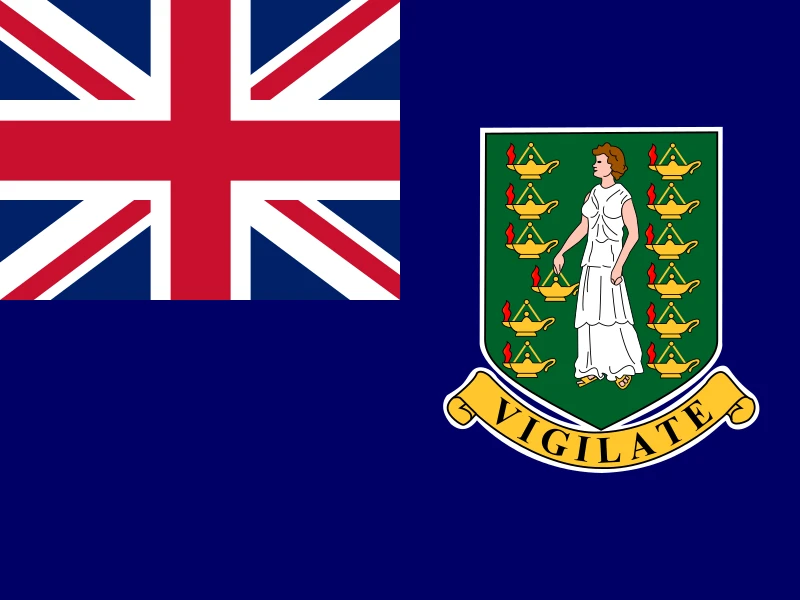
CaribbeanBritish Virgin Islands
Regime
BOSS Act, 2017
Beneficial Ownership Secure Search System
Who counts
Natural persons behind the chain
Looks through companies, nominees, trusts
Held by
Registered agent and system
Not a public register
Your duty
Report changes promptly
Accuracy is the owner's responsibility
The short answer: private, not anonymous
A BVI company's owners are not published on a public register, but they are not hidden from the authorities. Under the Beneficial Ownership Secure Search System (BOSS) Act, 2017, information about the individuals who ultimately own or control each company is held in a system the BVI authorities can search. The registered agent supplies it and is responsible for keeping it accurate.
The right mental model is a controlled-access record, not an anonymous structure. Treat it as part of the company, in the same way the registers of members and directors are, and plan for the fact that banks and your home tax authority may already see the same facts. The general concept is in beneficial ownership registers.
That distinction is important for planning, because a structure sold as anonymous will fail the first time a bank or authority asks who owns it.
Who counts as a beneficial owner
A beneficial owner is a natural person who ultimately owns or controls the company, directly or through other companies, nominees or trusts. The test looks through every layer to the individuals behind them. Control matters as well as ownership, so a person who can direct the company's decisions can count even without holding shares.
Layers do not remove the duty. Placing shares in another company or a trust changes who the registered shareholder is, but the people at the end of the chain are still identified. Where a trust is involved, expect the agent to ask about its settlor, trustee and beneficiaries. See BVI company with a trust for how the layers fit together.
If you are unsure whether someone counts as a controller, give the agent the full facts and let it decide how to record them.
Who holds the information
Your registered agent collects and keeps beneficial ownership information as part of its due diligence, and submits the required details to the system. That is one reason the choice of agent matters, and why a lapsed or unreachable agent is a serious problem. See BVI registered agent.
The agent will ask for identity documents, proof of address, and an explanation of the ownership chain. Expect to repeat this when the agent refreshes its file, and when anything about the structure changes. Providing complete documents the first time is the fastest way to avoid delays.
A good agent will also tell you when the company's records and its documents disagree, and it is better to hear that early.
Who can see it
- The BVI authorities, for supervision and enforcement.
- Foreign tax and law-enforcement bodies, through the BVI's information-exchange arrangements.
- Persons with a legitimate interest, only where the rules provide for access.
- Not the general public: it is not an open register.
The rules on access have been debated internationally and can change, so confirm the current position with your registered agent rather than relying on an old description. Separately, the Common Reporting Standard moves information about financial accounts between tax authorities; see BVI company CRS reporting.
Where requests come from abroad, the agent should be able to tell you what was asked and on what basis it was provided.
What you must keep up to date
Beneficial ownership information is only useful if it is current. Report to the agent promptly when:
- The people who own or control the company change.
- A beneficial owner's name, address or documents change.
- A new layer is added, such as moving shares into a trust or holding company.
- A director or controller changes in a way that alters who has control.
These are event-driven duties and sit alongside the yearly cycle on the annual compliance page. Do not wait for renewal to report a change.
Set a rule within your team that nobody transfers shares or signs a new director appointment without notifying the agent first.
Penalties, nominees and common mistakes
Providing inaccurate or incomplete information can lead to penalties and can cause the agent to end the relationship, which leaves the company without a licensed agent and exposed to strike-off. The usual mistakes are failing to mention a change, listing a nominee as though they were the real owner, and leaving out a controller who holds no shares.
Nominee arrangements do not hide the real owner from the system; they add another person to explain. See BVI company directors for how directors and nominees fit in.
Where an error is found, correct it at once and tell the agent, since a voluntary correction is usually received better than an error found by someone else.
Why it matters for you
Banks and counterparties will ask for the same information, and an accurate record makes account opening and due diligence easier. See bank account documents for what banks request. Your home tax authority may also receive information about the company, so treat transparency as a design feature, not a hurdle to work around.
A BVI company is not a creditor-protection tool on its own, and disclosure to authorities does not change that. If protection is your aim, see the Cook Islands trust structure.
Banks often compare what you tell them with what the agent has on file, and mismatches are a common cause of delay.
See BVI company compliance for the other recurring duties and our article on privacy and beneficial ownership for the wider context.
(Review & sourcing)
Written by
Offshore Companies Online
Editorial team
Reviewed by
John Evans
Offshore structuring
Last updated
4 November 2026
General information
Sourced from
BVI legislation and practitioner guidance
Check that the current particulars hold true with a licensed BVI registered agent
01Beneficial Ownership Secure Search System (BOSS) Act, 2017 — ownership regime.
02BVI Business Companies Act, 2004 — company law.
03BVI Financial Services Commission — regulator.
(COMMON QUESTIONS)
Common questions people ask about BVI beneficial ownership
No. The information is held for the authorities and is not an open public register. Access rules can change, so confirm the current position with your registered agent.
A natural person who ultimately owns or controls the company, directly or through other companies, nominees or trusts.
The registered agent collects and keeps it and submits the required details to the BVI's secure search system.
No. A nominee adds another person to the record, but the real beneficial owner is still identified. Do not treat nominees as a way of avoiding disclosure.
Changes to who owns or controls the company, changes to a beneficial owner's details, and any new layer of ownership such as a trust.
If shares are held through a trust, the agent will ask about the settlor, trustee and beneficiaries so it can identify the people behind the chain.
Penalties are possible and the agent may end the relationship. Confirm current penalties with your registered agent.
No. Beneficial ownership records who owns the company. The Common Reporting Standard exchanges information about financial accounts between tax authorities.
(MORE ON THE BVI COMPANY)
Further reading and source material on the BVI Company
References
In-depth reference pages on the BVI Company.
1 min
BVI Company Banking
1 min
BVI Company Compliance
1 min
BVI Company Cost
1 min
BVI Company Requirements
1 min
BVI Company Tax
Recent Articles
Commentary and guides covering BVI companies and offshore structuring.

Jurisdiction Guides7 min read
Offshore Company Redomiciliation: Moving a Company Between Jurisdictions

Offshore Companies6 min read
Offshore Trading Companies: Structure, Invoicing and Where to Form One

Offshore Companies6 min read
Closing an Offshore Company: Dissolution, Strike-Off and Winding Up

Offshore Companies6 min read
Who Controls an Offshore Company: Directors, Shareholders and the Registered Agent

Jurisdiction Guides6 min read
Best Offshore Company Jurisdictions in 2026: How to Choose

Jurisdiction Guides5 min read
Offshore Holding Company: How It Works and Where to Form One

Offshore Companies4 min read
Best Offshore Company for E-Commerce Businesses

Jurisdiction Guides5 min read
Offshore Company Costs: What You Pay to Set Up and Maintain One
(CONTACT US)
Speak to a specialist. Let’s build your structure.
Book a confidential, no-obligation consultation with a senior member of our team to discuss your objectives and the services we have available.