
(REFERENCE · BVI SETUP · 7 MIN READ)
BVI Company Directors
Directors manage a BVI company, and every company needs at least one. They can be individuals or companies, live anywhere and be of any nationality, but they carry real legal duties. This page covers who can serve, what directors must do, nominee directors and the tax risk of where the board sits.

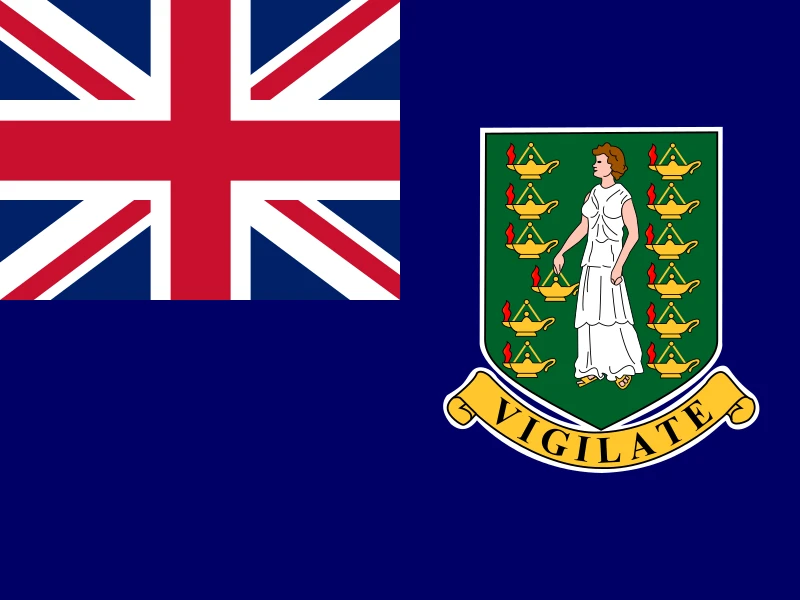
CaribbeanBritish Virgin Islands
Minimum
One director
Individual or, in many cases, a company
Residence
No BVI residency needed
But location of control can affect tax
Statute
BVI Business Companies Act, 2004
Sets directors' powers and duties
Watch for
Nominees do not change ownership
Beneficial owners are still recorded
What directors do
The directors of a BVI company manage its business and affairs. Subject to the company's memorandum and articles and the BVI Business Companies Act, 2004, they decide strategy, sign contracts, approve accounts and records, and appoint officers. Shareholders own the company, but day-to-day authority sits with the board.
A BVI company needs at least one director, and a great many small structures have exactly one. The company's constitutional documents can set a larger board or require particular approvals, so check the articles when you set up. The wider choices around setup are in setting up a BVI company.
Directors are accountable to the company and, in some circumstances, to the regulator.
Who can be a director
- Individuals of any nationality.
- Companies, in many structures, which can be useful when a professional firm acts as corporate director. Confirm the current rule with your registered agent.
- Residents of anywhere. A BVI company does not need a director who lives in the BVI.
Some people cannot act, such as those disqualified by law or by a court. The registered agent runs identity and due diligence checks on every director before incorporation, and will ask for certified documents and information about the person's background. Directors can also be shareholders; the two roles are separate in law even when one person holds both. See BVI registered agent for what the agent checks.
Duties and liability
Being named a director carries obligations, whatever your informal role in the business.
- Act honestly and in good faith in what you believe to be the best interests of the company.
- Exercise the care, diligence and skill a reasonable director would in the circumstances.
- Use powers for their proper purpose and within the company's constitutional documents.
- Disclose conflicts of interest to the board.
- Make sure the company keeps the records the law requires.
A director who signs without reading, or who lets someone else run the company without oversight, can still be held to account. The company's insurance, indemnity provisions and the articles can soften some personal exposure, but they do not replace paying attention.
Nominee directors
Some owners appoint a professional nominee director so that their own name does not appear on the company's records of directors. A nominee acts under an agreement with the owner, typically with instructions to follow the owner's wishes in routine matters. The law, however, treats the nominee as the director, with the full duties above, and a responsible nominee will want to understand the business and may refuse to act on instructions that look improper.
A nominee does not change who the real owner is. The beneficial owner remains recorded with the registered agent and is available to the authorities, and a bank will still need to know who is behind the company. See BVI beneficial ownership. Treat a nominee arrangement as a service, not as concealment.
Where the board sits matters
A company can be treated as tax resident where it is managed and controlled, not only where it is incorporated. If the only director lives in your home country and runs the business from there, your home tax authority may regard the company as its own taxpayer, regardless of the BVI incorporation.
The same location question matters for substance. Where a BVI company carries on a relevant activity, the Economic Substance (Companies and Limited Partnerships) Act, 2018 may expect meaningful management and decision-making in the right place. Plan the board with that in mind and read BVI economic substance requirements and the general economic substance guide. Confirm the current position with your registered agent.
Appointing, replacing and keeping records
Directors are appointed and removed under the company's articles and the Act, usually by shareholder resolution or by the board where the articles allow. Whenever a director is added, removed or changes details, tell the registered agent promptly instead of waiting for the next annual cycle, because the register of directors must be kept current and filed with the Registry where the rules require.
Keep minutes or written resolutions for significant decisions, even for a one-person board. They show that formalities were observed and help when a bank or the agent asks how a decision was made. The yearly routine is in BVI company annual compliance.
Choosing your board
Start from the purpose. A company that simply holds investments for one owner may work with that owner as sole director, provided the tax and substance analysis allows it. A trading company, a company with outside investors or one placed under a trust usually needs more thought. In a trust structure, the directors are appointed within the arrangements described on BVI company with a trust.
Choose people who will actually do the job, who are reachable by the agent and who understand the duties. Discuss the plan with your adviser before you sign the incorporation papers.
Where the structure is likely to change, review the board at least once a year.
See setting up a BVI company for the other setup decisions and BVI company shares for how ownership is divided.
(Review & sourcing)
Written by
Offshore Companies Online
Editorial team
Reviewed by
John Evans
Offshore structuring
Last updated
4 November 2026
General information
Sourced from
BVI legislation and practitioner guidance
Check that the current particulars hold true with a licensed BVI registered agent
01BVI Business Companies Act, 2004 — company law.
02Economic Substance (Companies and Limited Partnerships) Act, 2018 — substance rules.
(COMMON QUESTIONS)
Common questions people ask about BVI company directors
At least one. Many small BVI companies have a single director, though the articles can require more.
No. A director can live anywhere and be of any nationality, although where the director lives and acts can affect tax residence and economic substance.
In many structures yes, which is how corporate directors are used. Confirm the current rule and any restrictions with your registered agent.
To act honestly and in good faith in the company's interests, exercise reasonable care and skill, act within the constitutional documents and for proper purposes, and disclose conflicts of interest.
Yes. The roles are separate in law, and one person can hold both, subject to the company's articles.
A professional who acts as the registered director under an agreement with the owner so that the owner is not listed. The nominee still has the legal duties of a director.
No. The beneficial owner is still recorded with the registered agent and available to the BVI authorities, and banks will still ask who is behind the company.
It can. A company may be treated as resident where it is managed and controlled, so a sole director running the business from your home country may create exposure there.
(MORE ON THE BVI COMPANY)
Further reading and source material on the BVI Company
References
In-depth reference pages on the BVI Company.
1 min
BVI Company Banking
1 min
BVI Company Compliance
1 min
BVI Company Cost
1 min
BVI Company Requirements
1 min
BVI Company Tax
Recent Articles
Commentary and guides covering BVI companies and offshore structuring.

Jurisdiction Guides7 min read
Offshore Company Redomiciliation: Moving a Company Between Jurisdictions

Offshore Companies6 min read
Offshore Trading Companies: Structure, Invoicing and Where to Form One

Offshore Companies6 min read
Closing an Offshore Company: Dissolution, Strike-Off and Winding Up

Offshore Companies6 min read
Who Controls an Offshore Company: Directors, Shareholders and the Registered Agent

Jurisdiction Guides6 min read
Best Offshore Company Jurisdictions in 2026: How to Choose

Jurisdiction Guides5 min read
Offshore Holding Company: How It Works and Where to Form One

Offshore Companies4 min read
Best Offshore Company for E-Commerce Businesses

Jurisdiction Guides5 min read
Offshore Company Costs: What You Pay to Set Up and Maintain One
(CONTACT US)
Speak to a specialist. Let’s build your structure.
Book a confidential, no-obligation consultation with a senior member of our team to discuss your objectives and the services we have available.